


Thyroid Disorders in Women: Symptoms Most People Miss
Medically Reviewed by: Dr. Shameer Basheer

Thyroid disorders in women may cause fatigue, weight changes, hair loss, menstrual irregularities, mood changes and temperature sensitivity. Persistent symptoms should be evaluated by a doctor with appropriate thyroid testing.
Thyroid problems are common in women and can cause symptoms that are easily mistaken for stress, ageing, hormonal changes or everyday lifestyle issues.
Persistent tiredness, unexplained weight changes, menstrual irregularities, hair thinning, mood changes and temperature sensitivity may sometimes indicate a thyroid problem.
Recognising these changes and seeking appropriate medical evaluation can help identify thyroid disorders early.
What Is a Thyroid Disorder?
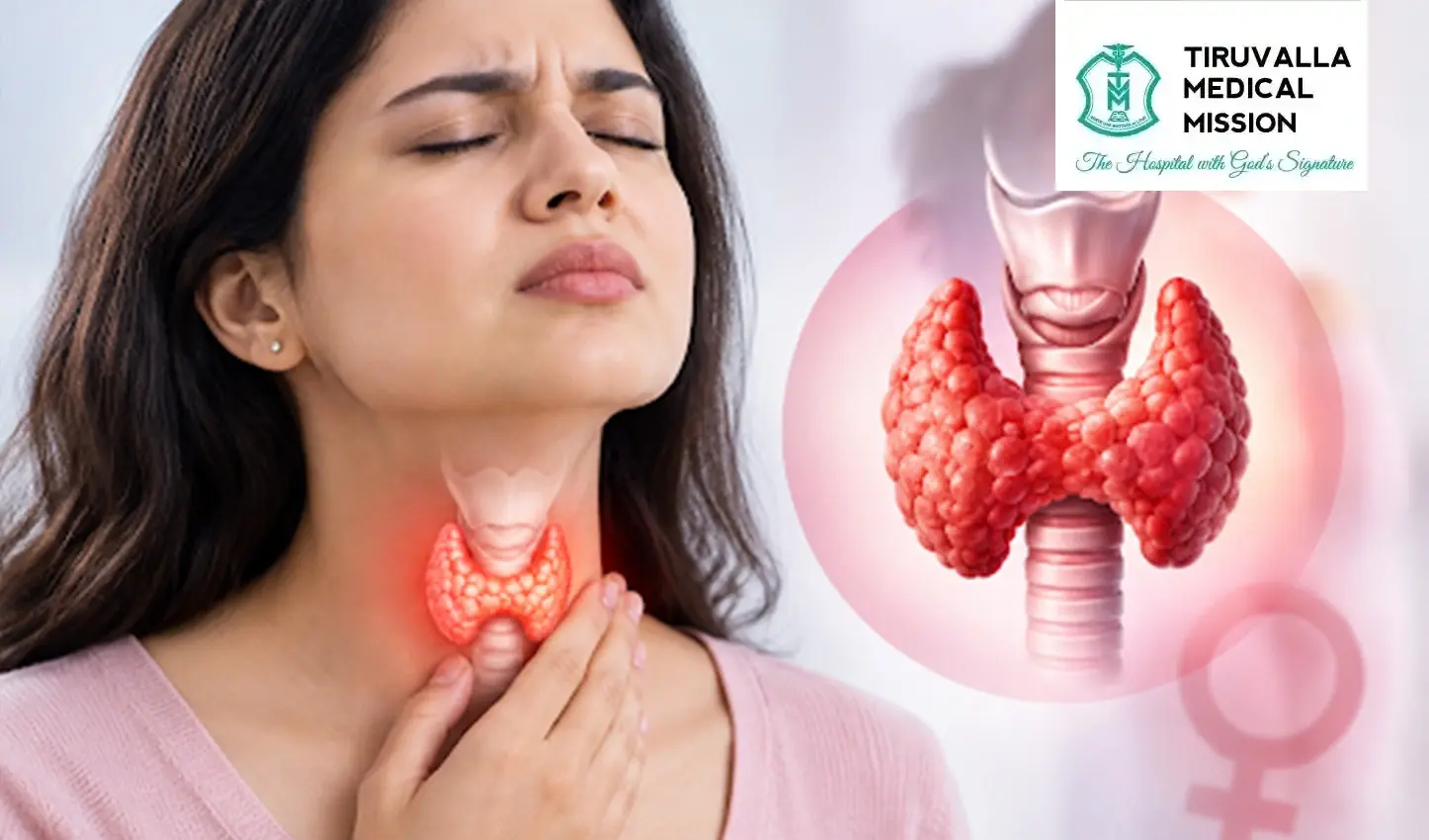
The thyroid is a small, butterfly-shaped gland in the neck that produces hormones involved in metabolism, energy, heart rate and many other body functions.
The two most common thyroid disorders are:
- Hypothyroidism: The thyroid does not produce enough thyroid hormones.
- Hyperthyroidism: The thyroid produces too much thyroid hormone.
Other thyroid conditions include goiter, thyroid nodules and autoimmune thyroid disorders such as Hashimoto’s thyroiditis and Graves’ disease.
If you have persistent symptoms or a suspected thyroid condition, an endocrinology team at TMM Hospital can assess your thyroid function and recommend appropriate investigations and treatment.
Why Are Women More Prone to Thyroid Disorders?
Women are more likely to develop thyroid disorders, partly because thyroid function interacts closely with hormonal and immune-system changes. Autoimmune thyroid conditions are particularly common in women.
Thyroid problems may also become more noticeable during major hormonal transitions, including pregnancy, the postpartum period and menopause. Symptoms during these stages can overlap with normal hormonal changes, making thyroid problems easy to overlook.
Thyroid Symptoms in Women That Are Easy to Miss
Unexplained Weight Changes
Unexpected weight gain may occur with hypothyroidism, while unexplained weight loss can be associated with hyperthyroidism. Significant changes without an obvious lifestyle explanation should be discussed with a doctor.
Constant Tiredness or Low Energy
Feeling unusually tired despite adequate rest can be a symptom of an underactive thyroid. Persistent low energy should not automatically be attributed to a busy schedule or lack of sleep.
Changes in Menstrual Cycles
Thyroid hormone changes can affect menstrual patterns. Periods may become heavier, lighter, irregular or less frequent depending on the underlying thyroid condition.
Feeling Too Cold or Too Hot
Women with hypothyroidism may feel unusually sensitive to cold, while hyperthyroidism can cause increased sensitivity to heat, sweating or feeling excessively warm.
Hair Thinning or Increased Hair Loss
Changes in thyroid hormone levels can affect the hair growth cycle, potentially leading to thinning hair or increased hair shedding.
TMM Hospital’s article on hair fall treatment also discusses thyroid imbalance among the hormonal and internal factors that may affect hair growth in women.
Mood and Mental Changes
Hypothyroidism may be associated with low mood, difficulty concentrating or feeling mentally slowed down. Hyperthyroidism can sometimes cause nervousness, irritability, restlessness or anxiety-like symptoms.
Changes in Heart Rate
An unusually slow heart rate may occur with hypothyroidism, while hyperthyroidism can cause a fast or irregular heartbeat, palpitations or increased awareness of the heartbeat.
Sleep Problems
Difficulty falling asleep, restlessness or waking frequently may occur with hyperthyroidism. An underactive thyroid may instead be associated with excessive sleepiness or persistent fatigue.
Muscle Weakness and Joint or Muscle Discomfort
Thyroid disorders can contribute to muscle weakness, cramps, stiffness or muscle and joint discomfort, particularly when symptoms persist without another clear explanation. Metabolic symptoms like these are also evaluated at our Diabetic Speciality Centre when overlapping conditions are suspected.
Dry Skin and Other Skin Changes
Dry or rough skin can occur with hypothyroidism. Some people may also notice changes in sweating, skin texture or sensitivity.
Thyroid Problems and Women’s Reproductive Health
Thyroid hormones can influence the menstrual cycle and reproductive function. Both hypothyroidism and hyperthyroidism may contribute to irregular periods and, in some cases, difficulties with conception. Our Obstetrics & Gynaecology team works closely with endocrinologists on these overlapping cases.
Women experiencing persistent menstrual irregularities, unexplained fertility difficulties or other symptoms associated with thyroid dysfunction may benefit from discussing thyroid evaluation with a doctor.
Thyroid Disorders During Pregnancy and the Postpartum Period
Thyroid function is particularly important during pregnancy because thyroid hormones support important maternal and fetal processes. Thyroid disorders may develop during pregnancy or become apparent after delivery.
Postpartum thyroiditis is an inflammatory thyroid condition that can occur after childbirth. It may initially cause symptoms associated with an overactive thyroid and later symptoms of an underactive thyroid.
Because postpartum thyroid symptoms can resemble normal changes after having a baby, persistent fatigue, mood changes, palpitations, unusual weight changes or other concerning symptoms should be medically evaluated rather than self-diagnosed.
Hypothyroidism vs Hyperthyroidism: Key Symptoms
Symptoms of Hypothyroidism
Common symptoms may include:
- Persistent tiredness
- Weight gain
- Increased sensitivity to cold
- Dry skin
- Hair thinning
- Constipation
- Low mood
- Difficulty concentrating
- Muscle aches or weakness
- Heavy or irregular periods
Symptoms of Hyperthyroidism
Possible symptoms include:
- Unexplained weight loss
- Feeling unusually hot
- Excessive sweating
- Fast or irregular heartbeat
- Anxiety or irritability
- Tremors
- Difficulty sleeping
- Muscle weakness
- Frequent bowel movements
- Lighter or irregular periods
Symptoms can vary considerably between individuals, and having one or more of these symptoms does not necessarily mean that a person has a thyroid disorder — some of these signs, like fatigue and unexplained weight loss, also overlap with early signs of diabetes, so proper testing is essential to identify the actual cause.
When Should Women See a Doctor for Thyroid Symptoms?
Consider speaking with a doctor if symptoms are persistent, unexplained, worsening or occurring together. Particular attention may be appropriate when there are significant weight changes, persistent fatigue, menstrual irregularities, palpitations, marked temperature sensitivity or symptoms that begin during pregnancy or after childbirth.
A medical evaluation can help determine whether thyroid dysfunction or another health condition may be responsible.
How Are Thyroid Disorders Diagnosed?
Thyroid disorders are generally assessed using a combination of medical history, physical examination and blood tests. Common tests include thyroid-stimulating hormone (TSH) and free T4, with additional testing considered when clinically appropriate , available through our health checkup packages.
Depending on the symptoms and examination findings, a doctor may recommend thyroid antibody testing or thyroid imaging to investigate specific conditions.
Can Thyroid Disorders Be Treated?
Yes. Treatment depends on the type and underlying cause of the thyroid disorder.
- Hypothyroidism: Thyroid hormone replacement is commonly used.
- Hyperthyroidism: Medicines may be prescribed to reduce thyroid hormone production or manage symptoms.
- Other thyroid conditions: Additional treatment may be required depending on the specific diagnosis.
Treatment should always be selected and monitored by a qualified healthcare professional.
Can Lifestyle Changes Help Manage Thyroid Health?
A balanced diet, regular physical activity, adequate sleep and appropriate stress management can support overall health. However, lifestyle changes should not replace medical treatment when a thyroid disorder has been diagnosed.
Women should also avoid taking thyroid supplements, iodine products or other treatments without medical advice, as excessive iodine or inappropriate supplementation may affect thyroid function.
FAQ
- 1. What are the early symptoms of thyroid problems in women?
-
2. Can thyroid problems cause weight gain or weight loss?
Yes. Hypothyroidism may contribute to weight gain, while hyperthyroidism can cause unexplained weight loss. However, weight changes can have many other causes.
-
3. Can thyroid disorders affect menstrual periods?
Yes. Thyroid disorders can affect menstrual frequency, flow and regularity and may sometimes interfere with reproductive health.
-
4. Can thyroid problems cause hair loss?
Yes. Changes in thyroid hormone levels can affect the hair growth cycle and may lead to increased hair shedding or thinning.
-
5. Can thyroid disorders affect fertility?
Thyroid dysfunction may affect ovulation and menstrual regularity and can contribute to fertility difficulties in some women. Appropriate evaluation can help identify whether thyroid function is involved.
-
6. Can thyroid problems occur during pregnancy?
Yes. Thyroid disorders can occur during pregnancy or develop after delivery. Thyroid function may be monitored when clinically indicated.
-
7. What blood tests are used to diagnose thyroid disorders?
TSH and free T4 are commonly used to assess thyroid function. Additional thyroid antibody tests or other investigations may be recommended depending on the symptoms and suspected condition.
-
8. Can thyroid disorders cause anxiety or mood changes?
Yes. Thyroid disorders can affect mood and mental well-being. Hypothyroidism may be associated with low mood and difficulty concentrating, while hyperthyroidism can cause anxiety, irritability or restlessness.
When to Consult an Endocrinologist
Persistent or multiple symptoms may warrant evaluation by an endocrinologist, particularly when thyroid dysfunction is suspected, symptoms remain unexplained or thyroid treatment requires specialist monitoring.
An endocrinologist can assess thyroid function, identify the underlying condition and develop an appropriate treatment and follow-up plan. Professional evaluation is preferable to relying on symptoms alone or self-diagnosing a thyroid disorder.
Takeaway: Don’t Ignore Persistent Thyroid Symptoms
Thyroid disorders in women can present with subtle symptoms that resemble stress, hormonal changes or normal ageing. Persistent fatigue, unexplained weight changes, menstrual changes, hair loss, mood changes or unusual temperature sensitivity deserve proper medical assessment.
Don’t ignore persistent or unexplained symptoms. Consult the Endocrinology team at TMM Hospital for a proper thyroid evaluation and personalised treatment plan.
Book your consultation today and take the next step towards better thyroid health.