


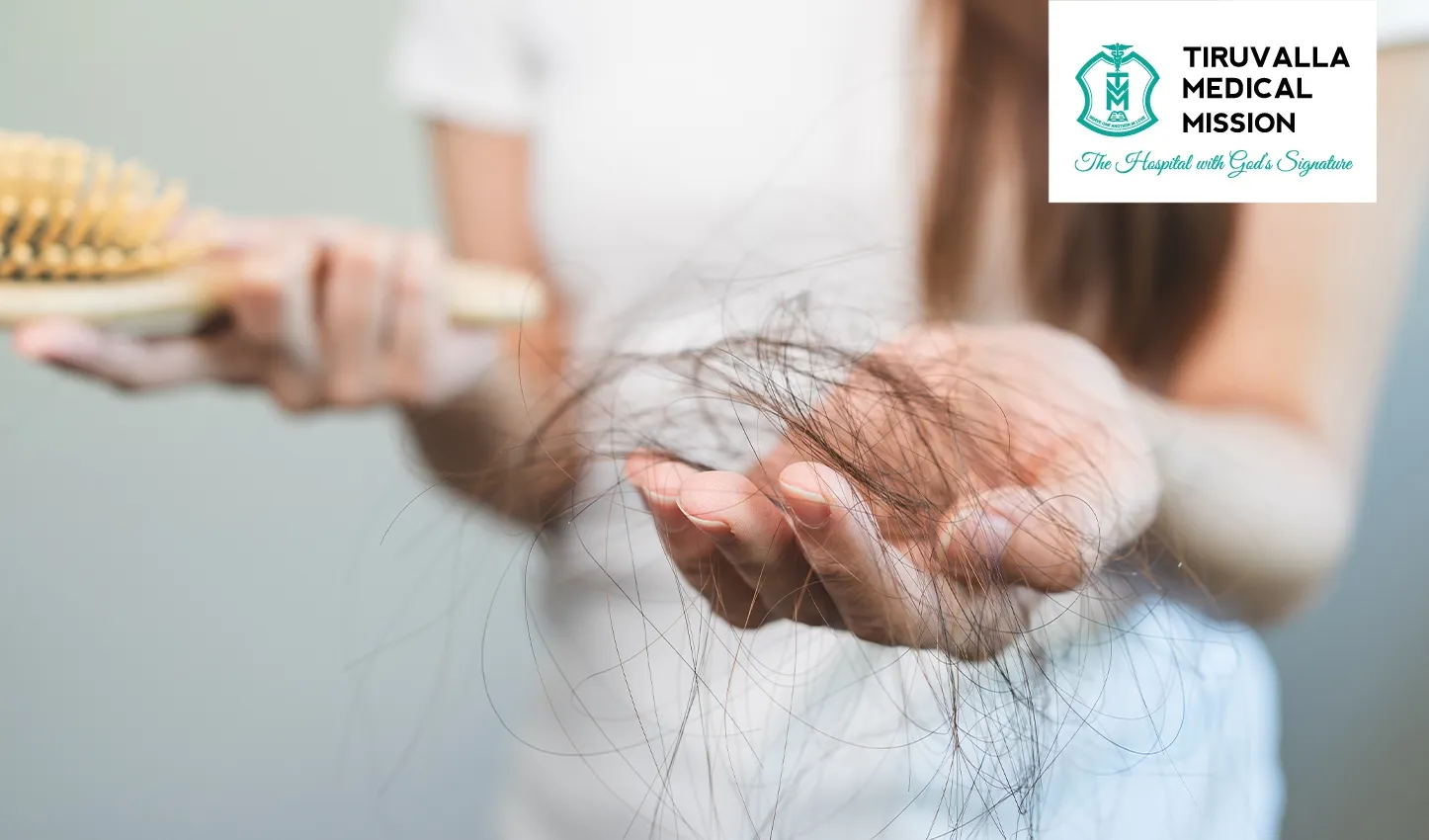
Understanding Why Hair Fall Feels So Distressing
Hair plays a quiet but powerful role in how people see themselves. When hairfall begins gradually or all at once, it often creates worry that goes far beyond appearance. This emotional strain affects men and women alike, especially when hair loss starts earlier than expected or progresses rapidly. Many individuals assume hair fall is inevitable and delay consulting a doctor. However, clinical experience shows that most forms of hair loss improve significantly once the underlying trigger is identified and addressed through proper medical care.
Many patients seeking hair fall treatment in Tiruvalla are surprised to learn that early medical care can significantly reduce long-term thinning. Consulting a expert dermatologist for hair loss allows timely diagnosis and evidence-based management.
What Commonly Leads to Hair Fall?
Hormonal and internal factors
Hair growth responds sensitively to hormonal balance. In men, inherited sensitivity to certain hormones can cause progressive thinning along the scalp margins and crown. In women, conditions such as polycystic ovarian syndrome, thyroid imbalance, pregnancy-related changes, menopause, or irregular menstrual cycles often disrupt normal hair growth patterns, leading to excessive shedding or visible thinning.
Stress, illness, and daily habits
Major physical or emotional stress does not usually cause immediate hair loss. Instead, it alters the hair growth cycle, causing increased shedding weeks or even months later. Events such as fever, surgery, crash dieting, sleep deprivation, or prolonged mental stress commonly precede hair fall, making the cause difficult to recognise without medical evaluation.
Nutritional shortfalls
Healthy hair depends on adequate nutrition. Low iron levels, vitamin B12 deficiency, insufficient vitamin D, and inadequate protein intake are frequently observed in patients experiencing hair loss, particularly among women. Rather than causing sudden bald patches, these deficiencies gradually reduce hair thickness and strength, resulting in a noticeable loss of volume over time.
Scalp disorders and medical conditions
The scalp is living tissue, and its health has a direct impact on hair growth. Conditions such as persistent dandruff, fungal infections, inflammatory scalp diseases, and autoimmune disorders can disrupt hair follicles. Long-standing medical conditions, including diabetes and other metabolic disorders, may also worsen hair loss if left unmanaged. Accurate diagnosis by a qualified dermatologist allows treatment to target the exact cause rather than relying on trial-and-error remedies.
Clearing Common Misunderstandings About Hair Fall
Myth: Hair fall happens only because of genetics
While family history plays a role, the rate and severity of hair loss are strongly influenced by lifestyle, nutrition, stress levels, and overall health. Many patients experience improvement once these factors are corrected.
Myth: Frequent washing or oil application causes hair loss
Hair that has already completed its growth cycle tends to shed during washing, which creates confusion. In fact, gentle cleansing and appropriate scalp care support healthier hair growth.
Myth: A single oil, shampoo, or supplement can fix hair fall
Hair loss does not have a universal solution. Effective treatment depends on identifying the specific cause, which varies from person to person.
Medical Approach to Hair Fall Treatment
Successful hair fall management begins with understanding why it is happening. A dermatologist may recommend blood investigations, scalp assessment, or a review of medical history before starting treatment. Care typically focuses on correcting deficiencies, managing hormonal or medical conditions, treating scalp disorders, and prescribing therapies that are supported by clinical evidence. Hair recovery is a gradual process. With consistent treatment and follow-up, most patients begin to notice reduced hair fall and improved texture within three to six months.
When Is It Important to See a Dermatologist?
Medical consultation is recommended if hair fall is sudden, excessive, patchy, or associated with symptoms such as persistent fatigue, weight fluctuations, or menstrual irregularities. Early assessment helps prevent long-term thinning and reduces unnecessary anxiety caused by self-treatment. Hospitals offering hair loss treatment in Kerala focus on identifying the root cause of hair fall through clinical evaluation, laboratory tests, and scalp examination before starting therapy.
What Realistic Hair Recovery Means
Hair recovery does not always imply restoring childhood density. Instead, success is measured by controlling hair fall, improving hair strength, and maintaining healthy growth over time. Many individuals feel reassured once they understand the cause of their hair loss and follow a structured treatment plan under medical guidance.
Expert Hair Fall Care at TMM Hospital, Thiruvalla
Hair fall can be distressing, but with the right medical guidance, it is often manageable and reversible. Understanding the cause—whether hormonal, nutritional, stress-related, or medical is the first step toward effective treatment. Instead of relying on temporary solutions, seeking professional care ensures long-term results and healthier hair growth.
At TMM Hospital, Thiruvalla, patients receive comprehensive hair and scalp evaluation under the care of experienced dermatologists. With advanced diagnostic facilities, personalised treatment plans, and a patient-focused approach, TMM Hospital is recognized as one of the trusted choices for those seeking the best dermatologist in Thiruvalla for hair fall treatment.
Early consultation, expert guidance, and consistent follow-up can make a significant difference in restoring hair health and confidence. If you are experiencing persistent hair fall, consulting the dermatology team at TMM Hospital can help you take the right step toward effective and lasting hair recovery.
FAQs
1. Is it normal to lose hair after illness or delivery?
Yes. Temporary hair shedding can occur after physical stress, such as illness or childbirth, and usually resolves with time and proper care.
2. Does dandruff contribute to hair loss?
Severe or untreated dandruff can weaken hair roots and increase shedding. Treating the scalp often leads to noticeable improvement.
3. Can hair grow back once it falls out?
In many cases, hair regrowth is possible, especially when treatment starts early, and the follicles remain active.
4. Are home remedies enough to stop hair fall?
Home care may help scalp health, but cannot correct nutritional deficiencies,hormonal imbalances, or medical conditions.
5. Is hair loss the same in men and women?
No. Men usually experience patterned thinning, while women often notice an overall reduction in hair volume.