

PCOD : Symptoms, Causes, Treatment, Fertility, Diet, and Lifestyle Management
Medically Reviewed by: Dr. Anu Ivan Koshy

Have you noticed irregular periods, unexplained weight gain, acne, excessive hair growth, or difficulty getting pregnant? These symptoms may be associated with Polycystic Ovarian Disease (PCOD), one of the most common hormonal disorders affecting women during their reproductive years.
PCOD affects the normal functioning of the ovaries and can influence menstrual health, fertility, metabolism, skin health, and overall well-being. Although it is a common condition, many women remain uncertain about its causes, symptoms, treatment options, and long-term health implications.
Because PCOD can affect menstrual cycles, fertility, and hormonal balance, timely consultation with a gynecologist is essential. Early diagnosis and appropriate gynecological treatment for PCOD can help regulate periods, manage symptoms, improve fertility outcomes, and support long-term reproductive health and overall well-being.
What is Polycystic Ovarian Disease (PCOD)?
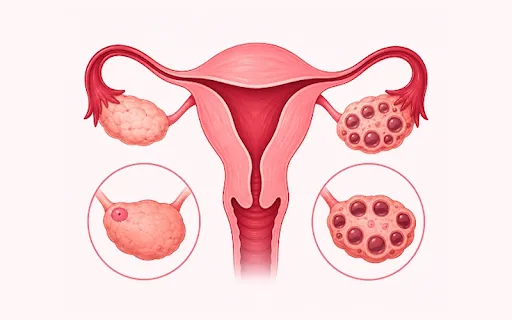
Polycystic Ovarian Disease (PCOD) is a hormonal condition in which the ovaries produce multiple immature or partially mature eggs. These immature follicles may accumulate within the ovaries and appear as multiple small cysts on ultrasound examination.
Under normal circumstances, the ovaries release a mature egg every month during ovulation. In women with PCOD, hormonal imbalances interfere with this process, resulting in irregular ovulation or failure to ovulate.
PCOD is not simply a reproductive disorder. It can affect several aspects of a woman’s health, including:
- Menstrual cycles
- Fertility
- Body weight
- Skin and hair health
- Metabolic function
- Emotional well-being
- Long-term cardiovascular health
PCOD vs PCOS: Understanding the Terminology
One of the most common questions gynecologists receive is:
“Are PCOD and PCOS the same?”
While the terms are often used interchangeably, there are important differences.
In some discussions and educational materials, PCOS may also be referred to as PMOS (Polycystic Metabolic Ovary Syndrome) because the condition often affects not only reproductive health but also metabolism, insulin resistance, weight regulation, and long-term cardiovascular health.
PCOD vs PCOS
| Feature | PCOD | PCOS |
|---|---|---|
| Condition Type | Ovarian disorder | Hormonal and metabolic syndrome |
| Ovulation | Irregular | Frequently absent |
| Severity | Usually milder | Often more complex |
| Fertility Impact | Moderate | More significant |
| Metabolic Risks | Lower | Higher |
While the terms are often used interchangeably, proper diagnosis by a gynecologist is important to determine the most appropriate management plan.
Symptoms of PCOD
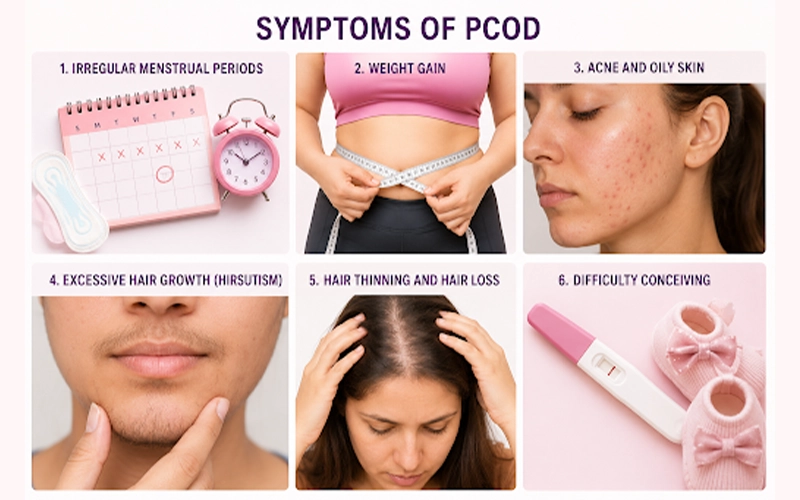
Symptoms vary from woman to woman. Some may experience only menstrual irregularities, while others may develop multiple hormonal and metabolic symptoms.
1. Irregular Menstrual Periods
Irregular menstrual cycles are often the earliest and most noticeable symptom of PCOD. As one of the common causes of menstrual disorders, PCOD can lead to delayed periods, missed periods, heavy bleeding, or prolonged menstrual cycles due to irregular ovulation and hormonal imbalance.
Women may experience:
- Delayed periods
- Missed periods
- Infrequent menstrual cycles
- Heavy bleeding
- Prolonged periods
When ovulation does not occur regularly, the menstrual cycle becomes unpredictable.
2. Weight Gain
Many women with PCOD notice gradual weight gain, especially around the abdomen.
Why it happens:
- Insulin resistance
- Hormonal imbalance
- Slower metabolism
- Increased fat storage
Even women who maintain healthy eating habits may find weight loss challenging.
3. Acne and Oily Skin
Acne is one of the most common skin-related symptoms of PCOD. Elevated androgen (male hormone) levels stimulate excess oil production, which can clog pores and contribute to persistent breakouts.
Common areas affected:
- Face
- Jawline
- Neck
- Chest
- Back
Persistent adult acne may be a sign of an underlying hormonal imbalance.
4. Excessive Hair Growth (Hirsutism)
Women with PCOD may notice excessive hair growth on:
- Chin
- Upper lip
- Chest
- Abdomen
- Back
This occurs because of increased androgen production.
5. Hair Thinning and Hair Loss
Some women experience:
- Hair thinning
- Reduced hair density
- Female-pattern hair loss
Hormonal imbalance can directly affect hair follicles.
6. Difficulty Conceiving
Irregular ovulation is one of the leading causes of fertility problems in women with PCOD. However, many women successfully conceive with appropriate treatment and fertility support.
Causes of PCOD
There is no single cause of PCOD. Multiple biological and lifestyle factors contribute to its development.
1. Hormonal Imbalance
The ovaries produce higher levels of androgens, which interfere with normal ovulation.
This may result in:
- Irregular periods
- Acne
- Hair growth
- Fertility issues
2. Insulin Resistance
Insulin resistance is one of the most important factors associated with PCOD.
What happens?
The body’s cells become less responsive to insulin, causing the pancreas to produce more insulin.
Higher insulin levels can:
- Increase androgen production
- Promote weight gain
- Affect ovulation
3. Genetics
Women with a family history of:
- PCOD
- PCOS
- Type 2 diabetes
- Hormonal disorders
May have a higher risk of developing PCOD.
4. Lifestyle Factors
Modern lifestyle habits may worsen symptoms.
Risk factors include:
- Physical inactivity
- Poor dietary habits
- Chronic stress
- Inadequate sleep
- Obesity
How is PCOD Diagnosed?
Diagnosis requires a combination of clinical evaluation and investigations.
Medical History
Your gynecologist may ask about:
- Menstrual cycle history
- Weight changes
- Fertility concerns
- Family history
Physical Examination
Assessment may include:
- Body Mass Index (BMI)
- Blood pressure
- Hair growth pattern
- Acne severity
Blood Tests
Common investigations:
| Test | Purpose |
|---|---|
| Blood Sugar | Assess insulin resistance |
| Thyroid Profile | Rule out thyroid disorders |
| Hormone Testing | Evaluate reproductive hormones |
| Lipid Profile | Assess metabolic health |
Ultrasound Scan
Pelvic ultrasound helps identify:
- Enlarged ovaries
- Multiple follicles
- Structural abnormalities
However, ultrasound alone is not sufficient for diagnosis.
PCOD and Fertility
Can Women with PCOD Get Pregnant?
Yes.
One of the biggest myths is that women with PCOD cannot conceive.
The truth is:
- Many women with PCOD become pregnant naturally.
- Ovulation induction
- Hormonal treatment
- Fertility monitoring
- Assisted reproductive techniques when necessary
Others may require:
Early treatment significantly improves pregnancy outcomes.
How PCOD Affects Fertility
| PCOD Effect | Fertility Impact |
|---|---|
| Irregular ovulation | Reduced chances of conception |
| Hormonal imbalance | Difficulty releasing eggs |
| Weight gain | Increased fertility complications |
| Insulin resistance | Impaired reproductive function |
Women with PCOD can have healthy pregnancies; however, uncontrolled hormonal imbalance and insulin resistance may increase the risk of certain pregnancy complications, including gestational diabetes and miscarriage. Regular prenatal care and close monitoring by a gynecologist can help support healthier pregnancy outcomes.
Diet for PCOD
A balanced diet plays a crucial role in managing PCOD symptoms, improving insulin sensitivity, supporting healthy weight management, and promoting hormonal balance. Women with PCOD should focus on nutrient-dense foods that provide sustained energy and help regulate blood sugar levels.
Foods to Include
High-Fiber Foods
- Oats
- Whole grains
- Brown rice
- Millets
Vegetables
- Spinach
- Moringa leaves
- Fenugreek leaves
- Amaranth leaves
- Kale
- Lettuce
Protein Sources
- Eggs
- Fish
- Chicken
- Lentils
- Beans
Healthy Fats
- Nuts
- Seeds
- Olive oil
Foods to Avoid
To help manage insulin resistance, support hormonal balance, and maintain a healthy weight, women with PCOD should limit foods that can cause rapid blood sugar spikes and inflammation. It is advisable to avoid or reduce:
- Sugary foods and beverages such as sweets, chocolates, soft drinks, packaged juices, and desserts
- Refined carbohydrates including white bread, pasta, bakery items, cakes, pastries, and maida-based products
- Fried and fast foods such as burgers, pizzas, French fries, and deep-fried snacks
- Processed foods, including chips, cookies, instant noodles, and packaged snacks
- Excessive consumption of sugary cereals and flavored beverages
- Full-fat dairy products, if they appear to worsen symptoms in sensitive individuals
Making small but consistent dietary changes can have a significant impact on managing PCOD symptoms. Replacing processed foods with fresh vegetables, whole grains, lean proteins, and healthy fats can improve energy levels, support weight management, and promote better hormonal health.
Lifestyle Management for PCOD
Lifestyle modifications play a vital role in managing PCOD symptoms and improving overall health. Along with medical treatment, healthy daily habits can help regulate hormones, improve fertility, and reduce the risk of long-term complications.
Regular Exercise
Physical activity helps improve insulin sensitivity, supports healthy weight management, regulates ovulation, and enhances overall well-being. Women with PCOD are encouraged to engage in:
- Brisk walking
- Swimming
- Cycling
- Yoga
- Strength training exercises
- Aerobic workouts
Healthy Weight Management
Maintaining a healthy weight can significantly improve PCOD symptoms. Even a modest weight loss of 5–10% of body weight may help:
- Regulate menstrual cycles
- Improve ovulation
- Enhance fertility
- Reduce insulin resistance
- Support hormonal balance
Stress Management
Chronic stress can affect hormone levels and worsen PCOD symptoms. Managing stress is an important part of long-term care. Helpful strategies include:
- Meditation
- Yoga
- Deep breathing exercises
- Mindfulness practices
- Spending time on hobbies
- Adequate sleep and relaxation
Prioritize Quality Sleep
Poor sleep can contribute to hormonal imbalance and weight gain. Aim for:
- 7–9 hours of sleep each night
- Consistent sleep schedules
- Reduced screen time before bedtime
- A comfortable sleep environment
Adopting these lifestyle habits consistently can help women with PCOD achieve better hormonal health, improve fertility outcomes, and enhance their overall quality of life.
Treatment Options for PCOD
Treatment depends on age, symptoms, fertility goals, and overall health.
Medical Treatment
Your gynecologist may recommend:
For Menstrual Regulation
- Hormonal medications
- Cycle regulation therapy
For Fertility
- Ovulation induction medicines
- Fertility treatments
For Acne and Hair Growth
- Hormonal management
- Anti-androgen therapies
For Insulin Resistance
- Insulin-sensitizing medications
Treatment plans are individualized and should always be supervised by a qualified gynaecologist.
Expert Advice from TMM Hospital
At Tiruvalla Medical Mission Hospital, our gynecology specialists emphasize that PCOD should not be viewed as a barrier to a healthy life or successful pregnancy.
With:
- Early diagnosis
- Personalized treatment
- Balanced nutrition
- Regular exercise
- Ongoing medical monitoring
Most women can successfully manage their symptoms and protect their long-term health.
Watch Advice on PCOD from Dr. Anu Ivan Koshy
For a better understanding of PCOD, including its symptoms, causes, diagnosis, treatment options, and lifestyle management, watch the video below.
The video provides practical guidance to help you better understand PCOD and make informed decisions about your reproductive health.
Living Well with PCOD: Steps Toward Hormonal Balance and Reproductive Health
PCOD is a common hormonal condition that can affect menstrual health, fertility, metabolism, and overall well-being. While it cannot be completely cured, early diagnosis, appropriate treatment, healthy eating habits, regular exercise, and lifestyle changes can help effectively manage symptoms and improve quality of life.
The experienced gynecologists in Kerala at TMM Hospital provide comprehensive evaluation, fertility counseling, and personalized PCOD treatment plans to help women achieve better hormonal health and reproductive wellness.
Concerned About PCOD Symptoms? Don’t Ignore the Signs
If you are experiencing irregular periods, unexplained weight gain, acne, excessive hair growth, or difficulty conceiving, seeking professional medical advice can help prevent complications and support your reproductive health goals.
Every woman’s experience with PCOD is unique. Consult our gynecologists to receive a customized treatment plan focused on your symptoms, lifestyle, and future health goals.
Connect with our gynecologist for personalized PCOD care and expert guidance.
FAQs
- 1. Is PCOD completely curable?
-
2. What is the difference between PCOD and PCOS?
PCOD (Polycystic Ovarian Disease) primarily affects ovarian function, while PCOS (Polycystic Ovary Syndrome) is a broader hormonal and metabolic disorder that may involve insulin resistance, infertility, and increased long-term health risks.
-
3. Can women with PCOD get pregnant naturally?
Yes. Many women with PCOD conceive naturally. Since PCOD can affect ovulation, some women may require lifestyle modifications, ovulation monitoring, or fertility treatment to improve their chances of pregnancy.
-
4. What are the early warning signs of PCOD?
Common early symptoms include irregular periods, acne, weight gain, excessive facial or body hair growth, hair thinning, and difficulty losing weight.
-
5. Does PCOD cause infertility?
PCOD can affect ovulation and make conception more difficult, but it does not necessarily cause permanent infertility. Most women with PCOD can achieve pregnancy with appropriate treatment and medical guidance.
-
6. Can a healthy diet help manage PCOD?
Yes. A balanced diet rich in whole grains, lean proteins, vegetables, fruits, and healthy fats can improve insulin sensitivity, support weight management, and help regulate hormone levels.
-
7. Is weight gain always associated with PCOD?
Not always. While many women with PCOD experience weight gain, some women with a normal body weight can also develop PCOD and experience hormonal symptoms.
-
8. How much exercise is recommended for women with PCOD?
Most experts recommend at least 150 minutes of moderate-intensity exercise per week. Activities such as brisk walking, cycling, swimming, yoga, and strength training can help improve symptoms.
-
9. Can stress worsen PCOD symptoms?
Yes. Chronic stress may contribute to hormonal imbalances, disrupt menstrual cycles, and make it more difficult to manage PCOD symptoms. Stress management techniques such as meditation, yoga, and adequate sleep can be beneficial.
-
10. When should I consult a gynecologist for PCOD?
You should consult a gynecologist if you experience irregular periods, missed periods, persistent acne, excessive hair growth, unexplained weight gain, difficulty conceiving, or any symptoms that affect your daily life and reproductive health.