


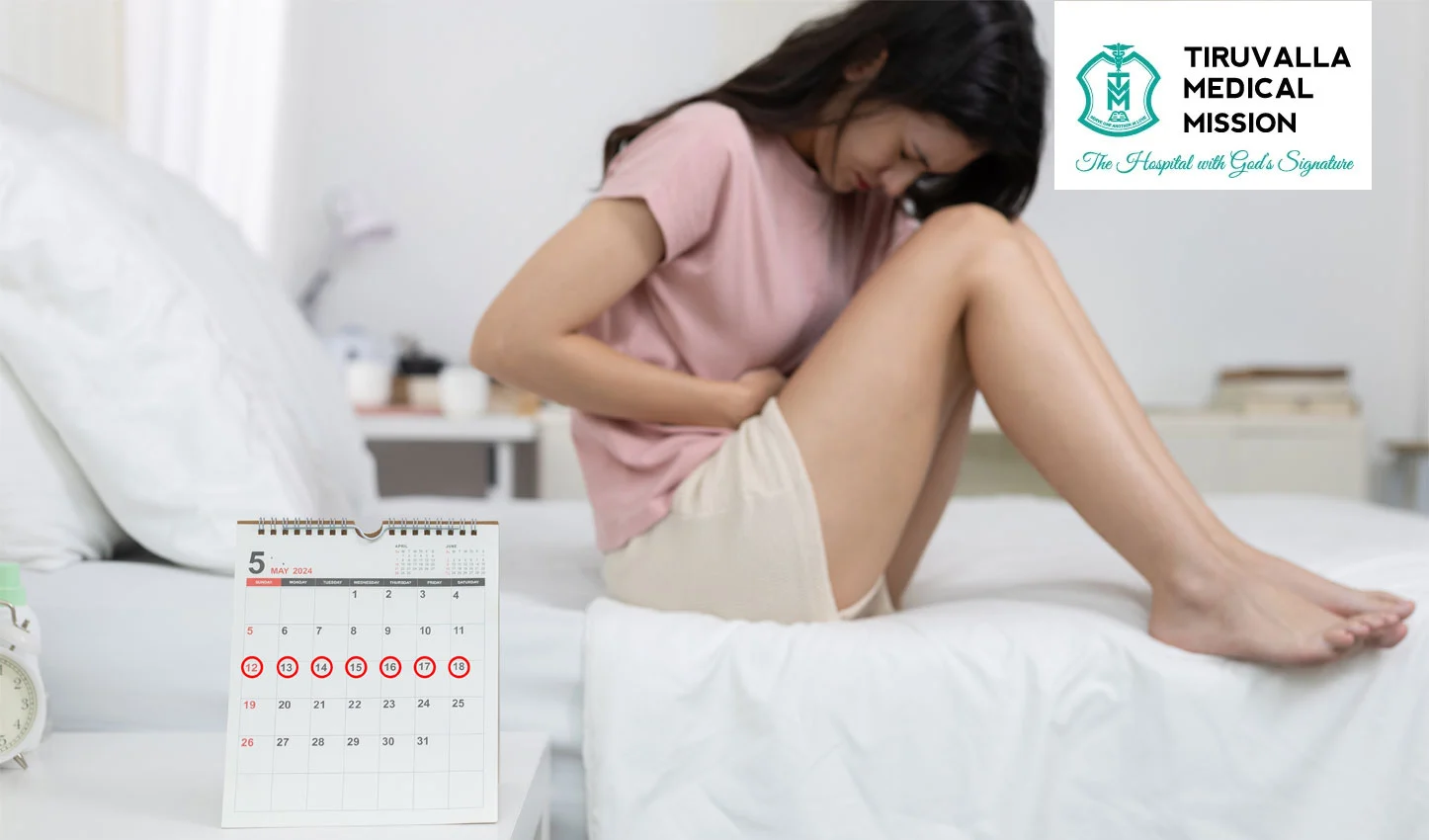
Menstrual Disorders: Causes, Symptoms & Treatment by Gynaecologists
Medically Reviewed by: Dr. Dhanya Chandra S

The menstrual cycle is a key reflection of a woman’s reproductive and overall health. Although mild cramps or temporary cycle changes are common, ongoing issues such as irregular periods, intense pain, heavy bleeding, or absent menstruation may signal underlying menstrual disorders that need professional medical evaluation.
These conditions can occur at any stage of a woman’s life, from teenage years through menopause, and may affect daily activities, hormonal balance, fertility, emotional health, and long-term wellness.
At TMM Hospital, the Department of Obstetrics & Gynaecology provides expert evaluation, personalized treatment, and compassionate women’s healthcare services for a wide range of menstrual disorders and reproductive health concerns. The hospital’s expert gynaecologist focuses on identifying the root cause and providing personalized treatment plans to restore hormonal balance and reproductive health.
Understanding Menstrual Disorders
A menstrual disorder refers to any abnormal condition related to a woman’s menstrual cycle. A normal menstrual cycle usually occurs every 21 to 35 days and lasts between 2 and 7 days. Any major deviation in frequency, duration, flow, or associated symptoms may indicate a disorder.
Menstrual disorders are extremely common, yet many women ignore symptoms or consider them “normal.” However, untreated menstrual issues can sometimes signal hormonal imbalances, reproductive disorders, thyroid problems, polycystic ovary syndrome (PCOS), fibroids, endometriosis, infections, or even early signs of serious gynecological conditions.
Common Types of Menstrual Disorders
1. Dysmenorrhea (Painful Periods)
Dysmenorrhea refers to severe menstrual cramps and pelvic pain occurring before or during menstruation.
Symptoms:
- Severe lower abdominal pain
- Back pain
- Nausea or vomiting
- Headaches
- Fatigue
- Diarrhea
Possible Causes:
- Endometriosis
- Adenomyosis
- Uterine fibroids
- Pelvic inflammatory disease (PID)
- Hormonal imbalance
Painful periods can interfere with work, studies, and daily activities. Gynaecologists evaluate the severity and identify whether the pain is primary (common cramps) or secondary (caused by an underlying condition).
2. Menorrhagia (Heavy Menstrual Bleeding)
Menorrhagia is characterized by unusually heavy or prolonged menstrual bleeding.
Signs of Heavy Bleeding:
- Bleeding lasting more than 7 days
- Soaking pads every 1–2 hours
- Passing large blood clots
- Fatigue due to anemia
- Weakness or dizziness
Common Causes:
- Hormonal imbalance
- Uterine fibroids
- Endometrial polyps
- Thyroid disorders
- Blood clotting disorders
- PCOS
Heavy bleeding can lead to iron-deficiency anemia and should never be ignored.
3. Amenorrhea (Absent Periods)
Amenorrhea occurs when menstrual periods stop unexpectedly.
Types:
- Primary Amenorrhea: Periods do not begin by age 15
- Secondary Amenorrhea: Periods stop for three or more months after previously regular menstrual cycles
Causes:
- Pregnancy
- PCOS
- Excessive exercise
- Stress
- Thyroid disorders
- Premature ovarian insufficiency
- Hormonal disturbances
4. Oligomenorrhea (Infrequent Periods)
Women with oligomenorrhea experience irregular menstrual cycles with periods occurring infrequently.
Possible Causes:
- PCOS
- Obesity
- Eating disorders
- Hormonal imbalance
- Excessive stress
5. Premenstrual Syndrome (PMS)
PMS involves emotional and physical symptoms occurring before menstruation.
Common Symptoms:
- Mood swings
- Irritability
- Anxiety
- Breast tenderness
- Bloating
- Fatigue
- Food cravings
Severe PMS may require medical management and lifestyle modifications.
6. Premenstrual Dysphoric Disorder (PMDD)
PMDD is a severe form of PMS that significantly affects emotional health.
Symptoms:
- Severe depression
- Anxiety
- Anger or irritability
- Difficulty concentrating
- Sleep disturbances
Professional evaluation and treatment are important for women experiencing PMDD.
7. Irregular Menstrual Cycles
Irregular periods involve unpredictable cycle timing, skipped periods, or variable bleeding patterns.
Causes Include:
- PCOS
- Hormonal imbalance
- Thyroid disease
- Perimenopause
- Stress
- Sudden weight changes
Causes of Menstrual Disorders
Menstrual disorders can arise due to multiple medical, hormonal, and lifestyle factors.
Major Causes Include:
| Cause | Impact on Menstrual Health |
|---|---|
| Hormonal Imbalance | Disrupts ovulation and cycle regularity |
| PCOS | Causes irregular periods and hormonal issues |
| Thyroid Disorders | Affects metabolism and menstrual cycles |
| Fibroids | Leads to heavy bleeding and pain |
| Endometriosis | Causes severe pain and infertility |
| Stress | Alters hormonal regulation |
| Obesity | Impacts estrogen levels |
| Excessive Exercise | Can stop ovulation |
| Eating Disorders | Affect hormone production |
| Certain Medications | May disrupt cycles |
Symptoms That Should Not Be Ignored
Women should consult a gynaecologist if they experience:
- Extremely painful periods
- Heavy bleeding
- Missed periods
- Bleeding between periods
- Irregular cycles
- Severe mood changes
- Pelvic pain
- Excessive fatigue during menstruation
- Sudden changes in menstrual patterns
- Difficulty conceiving
Early diagnosis helps prevent complications and improves reproductive health outcomes.
How Gynaecologists Diagnose Menstrual Disorders
Diagnostic Methods May Include:
Medical History Evaluation
Doctors assess:
- Menstrual cycle history
- Symptoms
- Family history
- Lifestyle factors
- Previous medical conditions
Physical & Pelvic Examination
A thorough examination helps identify abnormalities affecting reproductive organs.
Blood Tests
Blood investigations may check:
- Hormone levels
- Thyroid function
- Iron deficiency
- Blood clotting issues
Ultrasound Scan
Pelvic ultrasound helps detect:
- Fibroids
- Ovarian cysts
- PCOS
- Structural abnormalities
Hysteroscopy
A minimally invasive procedure used to examine the inside of the uterus.
Laparoscopy
Recommended in cases of suspected endometriosis or other pelvic disorders.
Treatment Options for Menstrual Disorders
The underlying reason, degree of symptoms, age, and reproductive objectives all influence the course of treatment.
1. Medications
Commonly Prescribed Treatments:
- Pain relievers
- Hormonal contraceptives
- Progesterone therapy
- Iron supplements
- Hormone-regulating medications
These help manage pain, regulate cycles, and reduce excessive bleeding.
2. Lifestyle Modifications
Healthy lifestyle changes can significantly improve menstrual health.
Recommended Lifestyle Measures:
- Maintaining healthy body weight
- Balanced nutrition
- Regular physical activity
- Stress management
- Adequate sleep
- Limiting caffeine and processed foods
3. Hormonal Therapy
Hormonal therapy is often used for:
- Irregular periods
- PCOS
- Endometriosis
- Heavy bleeding
This therapy aids in menstrual regulation and hormone balance restoration.
4. Surgical Treatments
Certain conditions may require surgical intervention.
Procedures Include:
- Fibroid removal surgery
- Endometrial ablation
- Laparoscopic treatment for endometriosis
- Hysteroscopy
- Hysterectomy (in severe cases)
Modern minimally invasive techniques help reduce recovery time and improve outcomes.
Menstrual Disorders and Fertility
Menstrual health plays a major role in a woman’s fertility and reproductive well-being. A regular menstrual cycle usually indicates that ovulation is occurring normally, which is essential for conception. However, certain menstrual disorders can disrupt ovulation, affect hormone production, or damage reproductive organs, making it more difficult to become pregnant if left untreated.
Conditions such as Polycystic Ovary Syndrome (PCOS), endometriosis, thyroid disorders, uterine fibroids, and hormonal imbalances are among the most common causes of fertility-related menstrual problems. These conditions may interfere with egg release, affect the quality of ovulation, or create complications within the uterus and fallopian tubes.
How Menstrual Disorders Affect Fertility
| Menstrual Disorder | Possible Impact on Fertility |
|---|---|
| PCOS | Irregular ovulation or absence of ovulation |
| Endometriosis | Damage to reproductive organs and pelvic inflammation |
| Hormonal Imbalance | Disrupts ovulation and menstrual regularity |
| Thyroid Disorders | Affects hormone regulation and egg release |
| Fibroids | May interfere with implantation or pregnancy |
| Amenorrhea | Indicates absence of ovulation in many cases |
Women with irregular or absent periods may not ovulate consistently, reducing the chances of natural conception. Similarly, severe pelvic pain and heavy bleeding can sometimes indicate underlying gynecological conditions that require medical attention.
Signs That May Indicate Fertility-Related Menstrual Problems
Women planning pregnancy should consult a gynaecologist if they experience:
- Irregular ovulation
- Missed or absent periods
- Severe pelvic pain
- Extremely painful periods
- Heavy menstrual bleeding
- Difficulty conceiving after regular unprotected intercourse
- Irregular menstrual cycles
- Symptoms of PCOS such as acne or excessive hair growth
- Recurrent miscarriages
- Unexplained hormonal imbalance
Importance of Early Diagnosis
Early medical evaluation can help identify the underlying cause of menstrual irregularities before they affect long-term fertility. Gynaecologists may recommend hormone testing, pelvic ultrasound, ovulation tracking, or fertility assessments to determine the exact issue.
Timely treatment can:
- Restore regular ovulation
- Improve hormonal balance
- Reduce complications
- Increase chances of natural conception
- Improve overall reproductive health
- Support healthier pregnancy outcomes
Fertility Treatment Options for Women with Menstrual Disorders
Depending on the diagnosis, treatment may include:
- Lifestyle modifications
- Weight management programs
- Hormonal medications
- Ovulation induction therapy
- Treatment for thyroid disorders
- Surgical management for fibroids or endometriosis
- Fertility-focused reproductive care
At TMM Hospital, experienced gynaecologists provide personalized fertility evaluation and menstrual disorder management to help women achieve better reproductive health and improve their chances of a healthy pregnancy.
Early intervention, proper diagnosis, and expert medical care can make a significant difference in protecting fertility and ensuring better reproductive outcomes for women of all ages.
Menstrual Health During Different Life Stages
Adolescence
Teenagers commonly experience irregular cycles during the early years after menstruation begins. However, persistent abnormalities require evaluation.
Reproductive Years
Hormonal disorders, PCOS, stress, and lifestyle factors are common contributors.
Perimenopause
Women approaching menopause may experience irregular bleeding and hormonal fluctuations.
Regular gynecological checkups help monitor health changes at every stage.
Prevention Tips for Better Menstrual Health
Women Can Improve Menstrual Health By:
- Tracking menstrual cycles
- Maintaining a healthy diet
- Staying physically active
- Managing stress effectively
- Attending routine gynecological checkups
- Avoiding self-medication
- Seeking early medical advice for unusual symptoms
Why Choose TMM Hospital for Menstrual Disorder Treatment?
The Department of Obstetrics & Gynaecology at TMM Hospital provides specialized women’s healthcare services with a patient-centered approach. The hospital offers advanced diagnostic facilities, experienced gynaecologists, and personalized treatment plans for various menstrual and reproductive health conditions.
Key Advantages:
- Experienced gynaecology specialists
- Advanced diagnostic technology
- Comprehensive women’s healthcare
- Personalized treatment plans
- Minimally invasive procedures
- Compassionate patient care
- Fertility-focused evaluation and management
When Should You Consult a Gynaecologist Immediately?
Seek immediate medical care if you experience:
- Sudden severe pelvic pain
- Extremely heavy bleeding
- Fainting during periods
- Bleeding after menopause
- Persistent irregular periods
- Severe menstrual cramps not relieved by medication
Prompt medical attention can prevent complications and improve long-term health.
Take Control of Your Menstrual Health
Menstrual disorders can affect every aspect of a woman’s life, from physical comfort and emotional well-being to fertility and overall health. While occasional cycle changes may be normal, persistent symptoms such as severe pain, heavy bleeding, missed periods, or irregular cycles should never be ignored. Early diagnosis and proper treatment by experienced gynaecologists can help identify underlying causes and prevent long-term complications.
At TMM Hospital, women receive expert, compassionate, and personalized care for all types of menstrual disorders. With advanced diagnostic facilities, experienced specialists, and patient-focused treatment approaches, the hospital is committed to helping women achieve better reproductive and hormonal health at every stage of life.
Book Your Consultation with Expert Gynaecologists
If you are experiencing irregular periods, severe menstrual pain, excessive bleeding, or other menstrual concerns, don’t delay seeking professional care. Early medical attention can improve your health, comfort, and quality of life.
Contact us for expert diagnosis and treatment of menstrual disorders by experienced gynaecologists at TMM Hospital.
FAQs
- 1. Can sudden weight gain or weight loss affect periods?
- 2. Do thyroid problems cause menstrual irregularities?
Yes. Both hypothyroidism and hyperthyroidism can affect menstrual cycles. Thyroid disorders may cause heavy bleeding, lighter periods, missed periods, or irregular menstrual timing due to hormonal imbalance.
- 3. Can anemia be caused by heavy menstrual bleeding?
Yes. Excessive menstrual bleeding over time can reduce iron levels in the body and lead to iron-deficiency anemia. Symptoms may include fatigue, weakness, dizziness, shortness of breath, and pale skin.
- 4. Is it normal to experience blood clots during periods?
Small blood clots during menstruation can be normal. However, large or frequent clots accompanied by heavy bleeding and severe pain may indicate conditions such as fibroids, hormonal imbalance, or endometriosis and should be evaluated by a gynaecologist.
- 5. Can birth control pills help regulate menstrual cycles?
Yes. Hormonal contraceptive pills are commonly prescribed to regulate periods, reduce heavy bleeding, manage menstrual pain, and improve symptoms related to PCOS and hormonal imbalance. Treatment should always be guided by a qualified gynaecologist.
- 6. What foods help improve menstrual health?
A balanced diet rich in iron, calcium, protein, fruits, vegetables, and whole grains can support hormonal balance and menstrual health. Foods rich in iron such as spinach, dates, lentils, and lean meats may help women with heavy bleeding prevent anemia.
- 7. Can excessive exercise stop periods?
Yes. Intense physical activity and excessive exercise can reduce estrogen levels and interfere with ovulation, causing missed or irregular periods. This is commonly seen in athletes or women with very low body fat percentages.
- 8. Are menstrual disorders linked to hormonal imbalance?
Hormonal imbalance is one of the leading causes of menstrual disorders. Changes in estrogen, progesterone, thyroid hormones, insulin, or reproductive hormones can affect ovulation and menstrual cycle regularity.
- 9. Can menstrual disorders affect mental health?
Yes. Chronic menstrual pain, hormonal fluctuations, PMS, and PMDD can affect emotional well-being and contribute to anxiety, irritability, mood swings, stress, and depression. Proper treatment can improve both physical and mental health.
- 10. How often should women undergo gynecological checkups for menstrual health?
Women should ideally undergo routine gynecological checkups once a year or earlier if they experience abnormal symptoms. Regular consultations help detect menstrual disorders early and support long-term reproductive and hormonal health.