

Newborn Screening & Genetic Disorders: A Lifesaving First Step
Welcoming a newborn into the world is one of life’s most profound moments. Amidst the joy and hope, there is also the quiet responsibility of ensuring that every child gets the healthiest start possible. One of the most crucial steps in this journey is newborn screening, a simple yet powerful tool that can detect rare but serious genetic disorders before symptoms even appear.
Why Newborn Screening Matters
Many genetic conditions, if not identified early, can lead to irreversible complications. Some conditions don’t show any immediate signs. However, with early detection and timely medical
intervention, these conditions can often be managed effectively, improving the quality of life and long-term-term outcomes for the child. Newborn screening detects many issues early. Some of them are:
- Congenital hypothyroidism
- Phenylketonuria (PKU)
- Sickle cell disease
- Metabolic and endocrine disorders
In Kerala, where public awareness around inherited and metabolic disorders is growing, newborn screening is steadily gaining importance as a public health measure.
What Happens During a Screening?
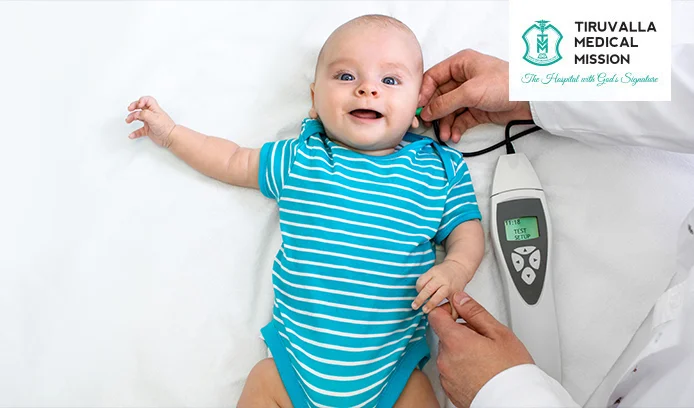
Newborn screening is typically done within 1 or days after birth. A few drops of blood are collected from the baby’s heel and sent to a specialized lab for analysis. These tests screen for a panel of disorders that are not visible at birth but may cause serious health issues if left untreated. Importantly, early diagnosis allows healthcare providers to begin preventive care or treatment long before complications arise. Many lives will be saved with the early intervention.
Genetic Disorders: Understanding the Risks
Genetic disorders are caused by abnormalities in the DNA and may be inherited from one or both parents. Some disorders are rare, but their impact can be profound, affecting neurological development, growth, metabolism, or immune function. Kerala has reported a relatively high prevalence of certain genetic conditions due to socio-cultural factors, making screening and genetic counselling particularly relevant.
While not all genetic conditions can be cured, many can be managed with medications, dietary modifications, and supportive therapies. The key lies in early identification, and this is where comprehensive newborn screening plays a pivotal role.
A Team That Understands the Science and the Soul
At Tiruvalla Medical Mission, newborn screening is integrated into a wider framework of maternal and child health services. Backed by decades of clinical experience, our multi-disciplinary team, including pediatricians, genetic specialists, and neonatologists, ensures every child born under our care has access to thorough and compassionate evaluation. The hospital’s advanced laboratory facilities, supported by a well-coordinated multi-specialty ecosystem, allow for accurate diagnosis and timely interventions. When a family needs support, TMM’s genetic counselling services will give the clarity they want and will be with them in their journey forward.
Building a Healthier Future
Newborn screening is at the same time a test and a promise that every child deserves the best chance at a healthy life, no matter how rare or silent the condition may be. At TMM Hospital, we believe in the power of early detection to change lives. This screening offers the opportunity to catch serious health conditions before they cause harm, enabling timely care that can alter the course of a child’s future. In a world where early diagnosis can mean the difference between struggle and stability, this simple test stands as a powerful tool in safeguarding the health and potential of every newborn.