


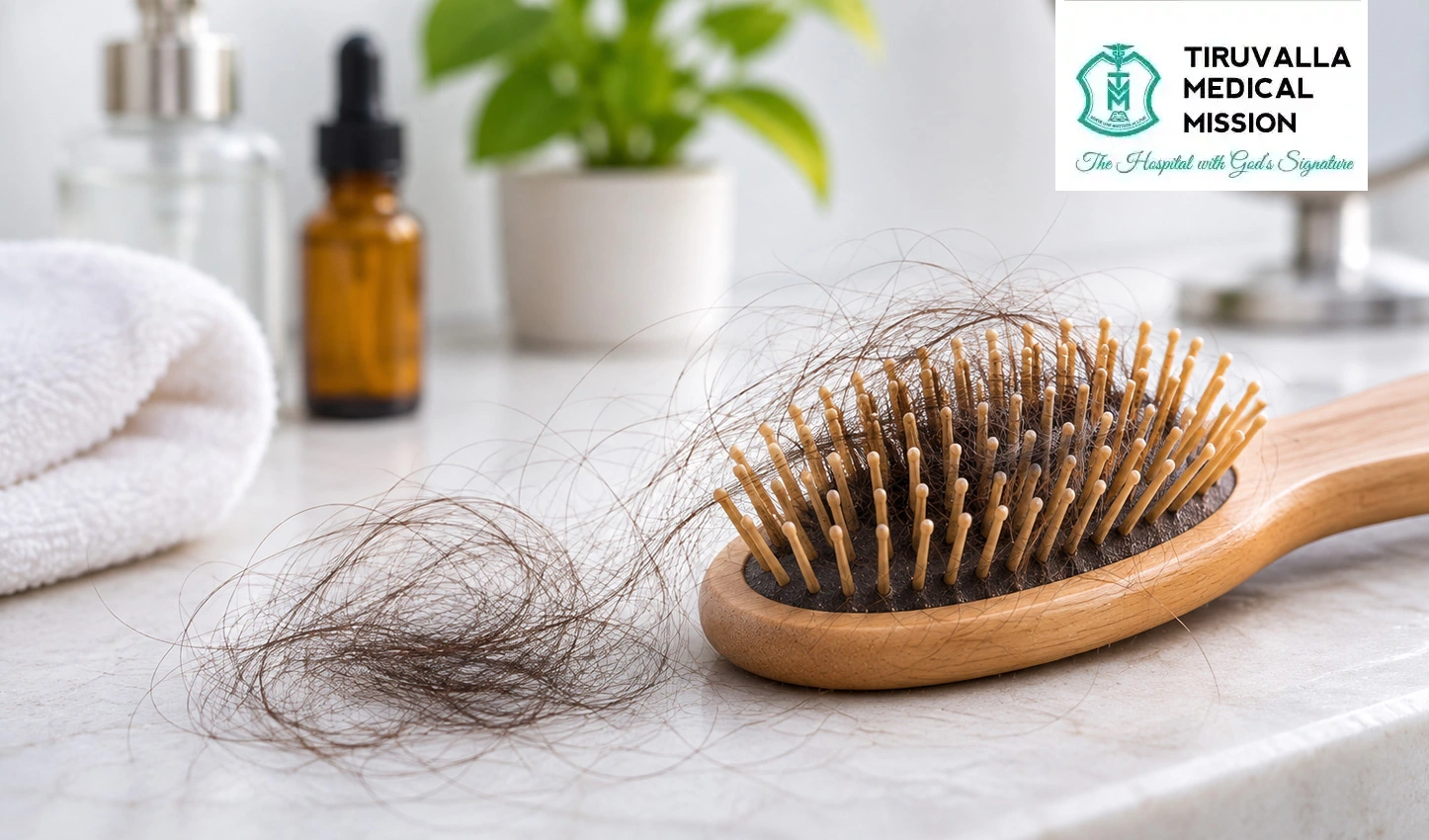
Excessive Hair Fall: Causes, Treatment and When to See a Dermatologist
Excessive hair fall means losing noticeably more hair than usual, or seeing visible thinning, over several weeks or months. Common causes include nutritional deficiencies, stress, hormonal changes, thyroid disorders, genetics, illness, certain medications and damaging hair practices.
Treatment depends on the cause and may include medication, correcting deficiencies, scalp treatments, PRP therapy or hair transplantation. See a dermatologist if hair fall persists, worsens, starts suddenly, appears in patches, or comes with scalp pain, redness or itching.
Hair fall is one of the most common concerns among men and women of all ages. Finding strands on the pillow, in the shower drain or on a comb can be worrying, especially when the volume of hair seems to be reducing.
Some hair loss is entirely normal. Hair grows in cycles, and every strand eventually sheds to make way for a new one. The concern begins when shedding becomes heavier than usual, continues for weeks, or leads to visible thinning or bald areas.
Hair loss is a symptom, not a diagnosis. It may be caused by something as simple as a temporary dietary gap or as significant as a thyroid problem or an autoimmune condition. Identifying the underlying cause is the most important step before choosing any treatment, because a remedy that works for one type of hair loss may do nothing for another.
What Is Excessive Hair Fall?
Hair grows in a continuous cycle with three main phases: a growth phase (anagen), a short transition phase (catagen) and a resting phase (telogen), after which the hair sheds. At any time, most scalp hairs are in the growth phase, and a smaller proportion are resting.
Losing roughly 50 to 100 hairs a day is generally considered normal. This number varies from person to person and is higher on days when you wash or brush your hair, since loose hairs that were already shed come away together.
Hair fall may be considered excessive when:
- You notice clumps of hair coming out while washing, combing or running your fingers through your hair
- Shedding continues for more than a few weeks
- Your ponytail feels thinner or your parting looks wider
- You see a receding hairline or patches of scalp
- The hair that grows back appears finer or weaker than before
Persistent shedding or visible thinning can point to an underlying condition, which is why it should not be dismissed as “just seasonal” if it continues.
What Are the Common Causes of Excessive Hair Fall?
Hair loss rarely has a single cause. Several factors can act together, and it is common for more than one to be involved.
Nutritional Deficiencies and Poor Diet
Hair follicles are among the most active tissues in the body and need a steady supply of nutrients. Low levels of iron, protein, vitamin D, vitamin B12 and zinc have been linked to increased hair shedding. Crash diets, very low-calorie eating, skipped meals and restrictive diets can also trigger hair fall, often a few months after the change.
Iron deficiency is particularly common in women with heavy periods. A clinical nutrition and dietetics specialist can help plan a balanced diet.
Stress and Emotional Distress
Significant physical or emotional stress can push a large number of hairs into the resting phase at the same time. This leads to a condition called telogen effluvium, where heavy shedding appears about two to three months after the stressful event. Long-term work pressure, grief, poor sleep and anxiety can all play a role. This type of hair loss is usually temporary once the trigger is addressed.
Hormonal Changes and Imbalances
Hormones influence the hair cycle significantly. Hair fall may occur after childbirth, during menopause, or with conditions such as polycystic ovary syndrome (PCOS), where raised androgen levels can cause thinning. Starting or stopping hormonal contraceptives can also affect shedding in some women.
Postpartum hair fall is common and often settles within several months. Women with irregular periods or PCOS symptoms can seek advice from obstetrics and gynaecology specialists.
Thyroid Disorders and Other Medical Conditions
Both an underactive and an overactive thyroid can cause diffuse hair thinning. Other conditions linked to hair loss include autoimmune diseases, anaemia, diabetes, chronic illnesses and scalp infections such as fungal infections. Treating the underlying condition often helps hair recover.
Genetic Hair Loss and Hereditary Factors
Androgenetic alopecia, also called pattern baldness, is the most common cause of long-term hair loss. In men it usually appears as a receding hairline and thinning at the crown. In women it more often appears as a widening parting and overall reduced density, while the frontal hairline is generally preserved. A family history of hair loss increases the likelihood, and the condition progresses gradually without treatment.
Hair Fall After Fever, Illness or Surgery
A high fever, infection, major illness, surgery or significant weight loss can shock the hair cycle. Shedding typically starts a couple of months afterwards, which is why people often do not connect it with the earlier illness. In most cases, hair regrows once the body recovers, although it can take several months.
Medication-Related Hair Loss
Certain medicines can cause hair shedding as a side effect. These include some drugs used for cancer treatment, blood thinners, certain antidepressants, medicines for high blood pressure and some acne or hormonal treatments. Never stop a prescribed medicine on your own. If you suspect your medication is affecting your hair, discuss it with your doctor.
Excessive Heat Styling and Chemical Hair Treatments
Frequent blow-drying, straightening, colouring, bleaching, smoothening or perming can weaken the hair shaft and cause breakage. Tight hairstyles such as braids, tight ponytails or buns can also pull on the follicles over time and lead to a type of hair loss called traction alopecia. Breakage is different from shedding from the root, but both can make hair look thinner.
What Are the Signs of Excessive Hair Fall?
The pattern of hair loss often gives important clues about its cause.
Increased Hair Shedding While Washing or Combing
Finding noticeably more hair than usual in the shower, on your brush or on your pillow, over several weeks, can indicate a shedding problem. Heavy diffuse shedding is commonly seen in telogen effluvium.
Gradual Hair Thinning or a Widening Parting
A slow reduction in hair density, a widening parting or a thinner ponytail are typical of pattern hair loss. Because the change is gradual, many people notice it only when comparing older photographs.
Receding Hairline or Bald Patches
A hairline moving backwards, especially at the temples, or thinning at the crown is typical in male pattern baldness. Smooth, round patches of hair loss may indicate other conditions and should be examined by a doctor.
Sudden or Patchy Hair Loss
Rapid hair loss, or hair falling out in distinct patches, can be associated with alopecia areata, an autoimmune condition, or with other medical causes. Sudden changes deserve prompt medical attention rather than waiting and watching.
What Are the Treatment Options for Excessive Hair Fall?
There is no single treatment that suits everyone. The right approach depends on the cause, type and severity of hair loss, as well as your age, general health and goals.
Medications for Hair Loss
For pattern hair loss, doctors may prescribe topical or oral medications that help slow shedding and support regrowth. Minoxidil is a commonly used topical treatment, and finasteride may be prescribed for suitable male patients. Other medicines may be used for autoimmune hair loss or scalp conditions. These should be taken only under medical supervision because some are not suitable for everyone, including women who are pregnant or planning pregnancy. Results are gradual, and consistent use over several months is usually needed.
Treating Nutritional Deficiencies and Underlying Conditions
When a deficiency or medical condition is behind the hair fall, treating it is the main step. This may include correcting iron or vitamin deficiencies, managing thyroid disease or PCOS, adjusting medication, or treating a scalp infection. Hair typically improves only after the root problem is controlled, and regrowth can take several months.
Dermatologist-Recommended Hair and Scalp Treatments
Depending on the diagnosis, a dermatologist may recommend medicated shampoos, topical solutions or other scalp treatments for dandruff, inflammation or infection. A healthy scalp environment supports healthier hair growth.
PRP and Other Hair Restoration Procedures
Platelet-rich plasma (PRP) therapy involves drawing a small amount of your blood, concentrating the platelets and injecting them into the scalp. It is used in selected patients, mainly for early or moderate pattern hair loss, and typically needs a series of sessions. Responses vary, and it is not suitable for every type of hair loss. Your dermatologist can advise whether it is likely to help in your case.
Hair Transplantation for Suitable Candidates
Hair transplantation moves healthy hair follicles from a donor area, usually the back of the scalp, to thinning or bald areas. It may be considered for stable, long-standing pattern hair loss when medical treatment is not enough. Good candidacy depends on factors such as donor hair availability, the stability of the hair loss and realistic expectations, and a specialist assessment is essential first.
Home Care Tips to Help Reduce Hair Fall
Home care cannot cure medical hair loss, but good habits can reduce avoidable damage and support overall hair health.
- Maintain a balanced diet with adequate protein, iron-rich foods, fruits, vegetables, nuts, pulses and whole grains.
- Handle wet hair gently. Hair is more fragile when wet, so pat it dry and avoid aggressive brushing or rubbing with a towel.
- Limit heat styling and harsh chemical treatments such as frequent straightening, bleaching or colouring.
- Choose suitable hair care products for your scalp type, and avoid frequently changing products without reason.
- Manage stress and maintain healthy sleep habits through regular exercise, relaxation techniques and a consistent sleep routine.
- Avoid hair supplements without professional advice. Taking supplements you do not need will not help and, in some cases, excess amounts of certain nutrients may cause problems.
- Avoid tight hairstyles that put constant tension on the roots.
When Should You See a Dermatologist for Hair Fall?
Mild, short-term shedding after a stressful period or illness often settles on its own. However, professional evaluation is recommended in the situations below.
Hair Fall That Persists or Progressively Worsens
If hair fall continues for more than a few weeks, or keeps increasing despite good hair care, an evaluation can find out why.
Sudden or Unexplained Hair Loss
Rapid hair loss without an obvious reason should be examined promptly, since it may be linked to a medical condition that needs treatment.
Bald Patches or Noticeable Hair Thinning
Smooth bald patches, a widening parting, a receding hairline or visible thinning are signs that medical assessment is worthwhile. Early treatment of conditions like pattern hair loss generally gives better results than treatment started late.
Hair Loss Accompanied by Scalp Pain, Redness or Itching
Pain, redness, burning, scaling, swelling or pus on the scalp suggest inflammation or infection, and these need proper diagnosis. Some scalp conditions can cause permanent damage to hair follicles if left untreated.
Can Excessive Hair Fall Be Prevented?
Not all hair loss can be prevented, particularly when genetics are involved. However, several measures can lower the risk of avoidable hair fall:
- Eat a nutritious, balanced diet and avoid extreme or crash dieting
- Get regular check-ups and manage conditions such as thyroid disorders, diabetes, anaemia and PCOS
- Avoid damaging practices such as frequent heat styling, harsh chemicals and tight hairstyles
- Keep the scalp clean and treat dandruff or itching early
- Manage stress and prioritise sleep
- Seek medical advice as soon as symptoms develop, rather than waiting for the problem to progress
FAQs
- 1. How many hairs fall out per day is normal?
-
2. Can stress really cause hair fall?
Yes. Significant physical or emotional stress can cause temporary heavy shedding, usually two to three months after the stressful event. The hair generally regrows once the stress is managed.
-
3. Is hair fall after fever or illness permanent?
In most cases it is temporary. Hair usually regrows over several months as the body recovers, though a doctor should check if it does not improve.
-
4. Which vitamin deficiency causes hair fall?
Low iron, vitamin D, vitamin B12 and zinc have been linked to hair shedding. A blood test is the best way to find out whether you are deficient, rather than guessing and taking supplements.
-
5. Can the hair fall be reversed?
It depends on the cause. Hair loss from deficiencies, stress, illness or hormonal shifts is often reversible when the cause is treated. Pattern hair loss can usually be slowed with treatment, and early treatment gives better results.
-
6. Does frequent oiling or washing cause hair fall?
Regular washing does not cause hair loss. Hair that falls during washing was already in the shedding phase. Gentle handling matters more than how often you wash.
-
7. How long does it take to see results from hair fall treatment?
Hair grows slowly, so most treatments take about three to six months before improvement is noticeable. Consistency and follow-up with your doctor are important.
-
8. Do hair supplements work for everyone?
No. Supplements help mainly when a true deficiency exists. Taking them without testing or advice may not help and can sometimes cause side effects.
-
9. When is hair transplantation an option?
It may be considered for stable, long-standing pattern hair loss when other treatments are not enough, after a specialist has assessed your suitability.
-
10. Can excessive hair fall be a sign of an underlying medical condition?
Yes. Excessive hair fall may be associated with thyroid disorders, hormonal imbalances, autoimmune conditions or scalp infections. A dermatologist can assess the symptoms and recommend appropriate tests to identify the cause.
Managing Excessive Hair Fall with the Right Treatment
Excessive hair fall can develop due to nutritional deficiencies, stress, hormonal changes, genetic factors and underlying medical conditions. While some types of hair shedding are temporary, persistent or sudden hair loss should not be ignored.
Identifying the underlying cause is essential for choosing the right treatment. Following healthy hair care practices and seeking timely advice from a dermatologist can help manage hair loss and support better scalp health.
Consult a Dermatologist at TMM Hospital
Experiencing persistent or excessive hair fall? Consult a dermatologist at TMM Hospital, Thiruvalla, for an appropriate evaluation and personalised treatment guidance.
Book an appointment today to find the cause of your hair loss and start the right treatment early.