

Knee Replacement Surgery in Kerala: What You Need to Know
Knee pain has become one of the most common health concerns in Kerala, especially among older adults and those living with arthritis or long-term joint wear. For many, everyday activities, such as walking, climbing stairs, or even getting out of bed, slowly become increasingly difficult. When pain begins to limit mobility and reduce quality of life, knee replacement surgery often becomes a practical and effective solution.
Why People Consider Knee Replacement Surgery
Knee replacement, also known as knee arthroplasty, is recommended when the knee joint becomes severely damaged. The most common reasons include:
- Osteoarthritis: The leading cause of knee pain and stiffness in older adults.
- Rheumatoid arthritis: An autoimmune condition that can severely damage the joints.
- Post-injury degeneration: Caused by fractures, ligament tears, or cartilage loss.
- Severe deformity or chronic knee instability: Structural problems that significantly impair mobility.
When medications, physiotherapy, injections, or lifestyle changes no longer provide relief, surgery becomes a way to restore function and reduce daily discomfort. Patients often describe life after knee replacement as “getting mobility back,” not just in terms of movement but in confidence, independence, and emotional well-being.
Types of Knee Replacement Surgery
Kerala’s orthopaedic centres offer several approaches depending on the patient’s condition:
1. Total Knee Replacement (TKR)
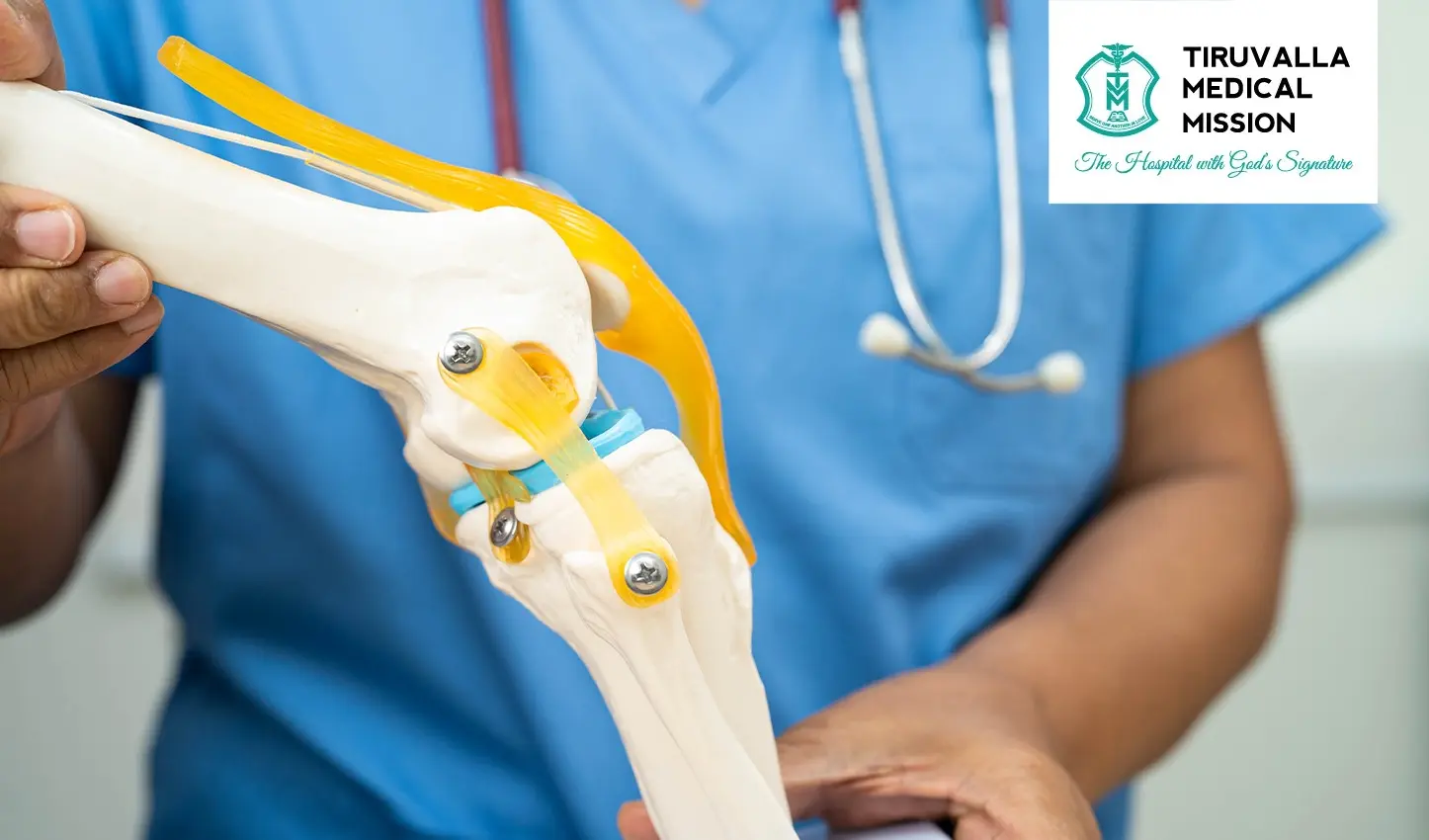
This is the most common type. Damaged bone and cartilage are replaced with a combination of metal and medical-grade polymer implants. It helps restore smooth movement and alignment.
2. Partial Knee Replacement (PKR)
If only one part of the knee joint is affected, surgeons may opt for a partial replacement. This preserves more natural bone and tends to have quicker recovery times.
3. Minimally Invasive Knee Replacement
Performed through smaller incisions, this technique reduces tissue damage and speeds up healing. When performed by skilled surgeons using advanced tools, patients experience less pain after surgery.
4. Robotic-Assisted Knee Replacement
Robotic support allows surgeons to plan and execute highly precise procedures. Many hospitals in Kerala, including multi-speciality institutions like TMM, have incorporated these advanced technologies into their surgical practice for enhanced accuracy and outcomes.
How Knee Replacement Surgery Is Performed
Although each surgical plan is personalized, the general steps include:
- A detailed evaluation: Including X-rays, MRI scans, blood tests, and physical assessment.
- Pre-surgery preparation: Physiotherapy, strengthening exercises, and medical optimization.
- The surgery itself: Typically takes 1–2 hours.
- Post-operative care: Pain management and assisted physiotherapy.
- Rehabilitation period: A monitored recovery process that helps the patient gradually return to normal life.
Most patients begin walking with support within 24–48 hours after surgery. With consistent physiotherapy, many regain their mobility within 6–12 weeks.
What Makes Kerala a Preferred Destination for Knee Replacement
Kerala’s combination of medical excellence and patient-centred care has made it a favourable location for joint replacement procedures:
1. Expertise of Orthopaedic Surgeons
Highly trained orthopaedic specialists bring global exposure, decades of experience, and strong clinical results. Institutions like TMM, with over 90 years of healthcare service, are dedicated to comprehensive joint care, from diagnosis to rehabilitation.
2. Advanced Infrastructure
Modern operating theatres, precision tools, imaging facilities, and multi-disciplinary support allow seamless and safe surgical care. TMM’s most advanced operating theatres and vast specialty departments contribute significantly to this integrated approach.
3. Ethical and Compassionate Care
Kerala’s healthcare culture prioritizes transparent communication, evidence-based treatment, and patient comfort. TMM’s values and ethical approach to care have earned generations of trust across the region.
4. Quality Rehabilitation Services
Successful knee replacement depends greatly on physiotherapy. Kerala’s hospitals are known for strong rehabilitation programs, helping patients recover safely and confidently.
Preparing for Knee Replacement Surgery
Before undergoing surgery, doctors usually advise patients to:
- Maintain an active lifestyle and strengthen the thigh muscles.
- Control blood sugar levels if diabetic.
- Quit smoking to improve healing.
- Manage weight to reduce strain on the new joint.
- Discuss all medications and supplements.
A well-prepared patient typically recovers faster and adapts better to the new joint.
Recovery and Life After Knee Replacement
Most patients experience significant improvement in pain and mobility. Activities like walking, cycling, swimming, and light household work become comfortable again. With proper care, modern knee implants often last 15–20 years or more. Long-term success depends on consistent physiotherapy, avoiding high-impact activities, and following regular checkups with the orthopaedic team. For many, the surgery becomes a turning point, an opportunity to return to routines, social activities, and a pain-free lifestyle.
Ready to Begin Your Pain-Free Journey?
If you’re considering Knee replacement surgery in Kerala, TMM Hospital offers advanced surgical care, expert orthopaedic surgeons, and personalized rehabilitation plans to ensure a smooth recovery. Take the first step toward restoring mobility and improving your quality of life—book your consultation with our Orthopaedics Department today. Visit TMM Hospital or contact our team for guidance, appointments, and comprehensive support throughout your recovery journey
FAQs
1. When should I consider knee replacement surgery?
If knee pain persists despite medicines, physiotherapy, or injections, or if mobility becomes limited and everyday tasks are difficult, surgery may be recommended.
2. Is knee replacement safe?
Yes. With modern techniques, skilled surgeons, and advanced facilities, the procedure is considered very safe. Complications are rare when performed in well-equipped hospitals.
3. How long does it take to recover?
Most patients resume daily activities in 6–12 weeks. Complete healing may take several months, depending on age, overall health, and physiotherapy progress.
4. Will I be able to walk normally after surgery?
Yes. Many patients walk with support within a day or two and gradually return to normal walking patterns with physiotherapy.
5. How long do knee implants last?
High-quality implants often last 15–20 years or more, especially when patients maintain a healthy lifestyle and avoid strenuous impact on the joints.