

Importance of Heart Health: Tips for a Healthy Life
Medically Reviewed by: Dr. Jaya Rama Reddy C

Good heart health means keeping your blood pressure, cholesterol, blood sugar, and weight within a healthy range through diet, exercise, stress management, and regular checkups. Most heart disease is preventable, and catching risk factors early through routine screening is the single most effective way to protect your heart long term.
Your heart works continuously to keep your body supplied with blood, oxygen and essential nutrients. Because cardiovascular health affects almost every organ and system, taking care of your heart is an important part of maintaining overall health and quality of life. At TMM Hospital, our Cardiology Department supports patients at every stage of this journey, from prevention to advanced treatment.
Heart disease is influenced by several factors, including high blood pressure, high cholesterol, diabetes, smoking, physical inactivity, excess weight and family history. Many of these risk factors can be reduced or better managed through healthy lifestyle choices, appropriate medical care and regular health checks.
The good news is that supporting heart health does not always require major changes overnight. Small, consistent habits such as choosing nutritious foods, walking regularly, sleeping well and monitoring your health can contribute to better cardiovascular health over time.
Why Is Heart Health Important?
The heart is the engine of the circulatory system, pumping oxygen- and nutrient-rich blood to every muscle, tissue, and organ while carrying away waste products. When it functions well, the rest of the body functions well.
When it doesn’t, the effects ripple outward, from fatigue and breathlessness to serious complications like heart attack and stroke.
Cardiovascular health matters at every age. Habits formed in your twenties and thirties shape your risk in your fifties and sixties, while older adults benefit just as much from course-correcting today. Preventing heart disease isn’t a one-time effort ,it’s an ongoing process of managing risk factors, staying active, and catching problems early through screening.
Common Risk Factors for Heart Disease
Several conditions and habits raise the likelihood of developing heart disease. Most are manageable once identified.
High Blood Pressure
Hypertension forces the heart to work harder than it should, gradually damaging artery walls and increasing the risk of heart attack and stroke. It often has no symptoms, which is why regular monitoring matters.
High Cholesterol
Excess LDL (“bad”) cholesterol can build up in the arteries as plaque, narrowing blood flow to the heart. A simple lipid profile test can catch this early.
Diabetes
Elevated blood sugar over time damages blood vessels and nerves that control the heart, making diabetics significantly more likely to develop cardiovascular disease.
Smoking
Smoking damages the lining of the arteries, raises blood pressure, and reduces the oxygen available to the heart. Quitting at any age produces measurable benefits within months.
Overweight and Obesity
Carrying excess weight, particularly around the abdomen, is linked to higher blood pressure, cholesterol, and diabetes risk , all of which strain the heart.
Physical Inactivity
A sedentary lifestyle weakens the heart muscle over time and contributes to weight gain, high blood pressure, and poor circulation.
Chronic Stress
Ongoing stress keeps blood pressure and heart rate elevated and can lead to unhealthy coping habits like overeating, smoking, or poor sleep , all of which compound cardiovascular risk.
Family History and Age
Risk naturally increases with age, and a family history of heart disease can make certain risk factors more likely to affect you. These factors can’t be changed, which makes managing the modifiable ones even more important.
Warning Signs of Heart Problems
Heart-related symptoms can vary from one person to another. Some cardiovascular conditions may also have few or no obvious symptoms in their early stages.
Possible warning signs that require medical attention can include:
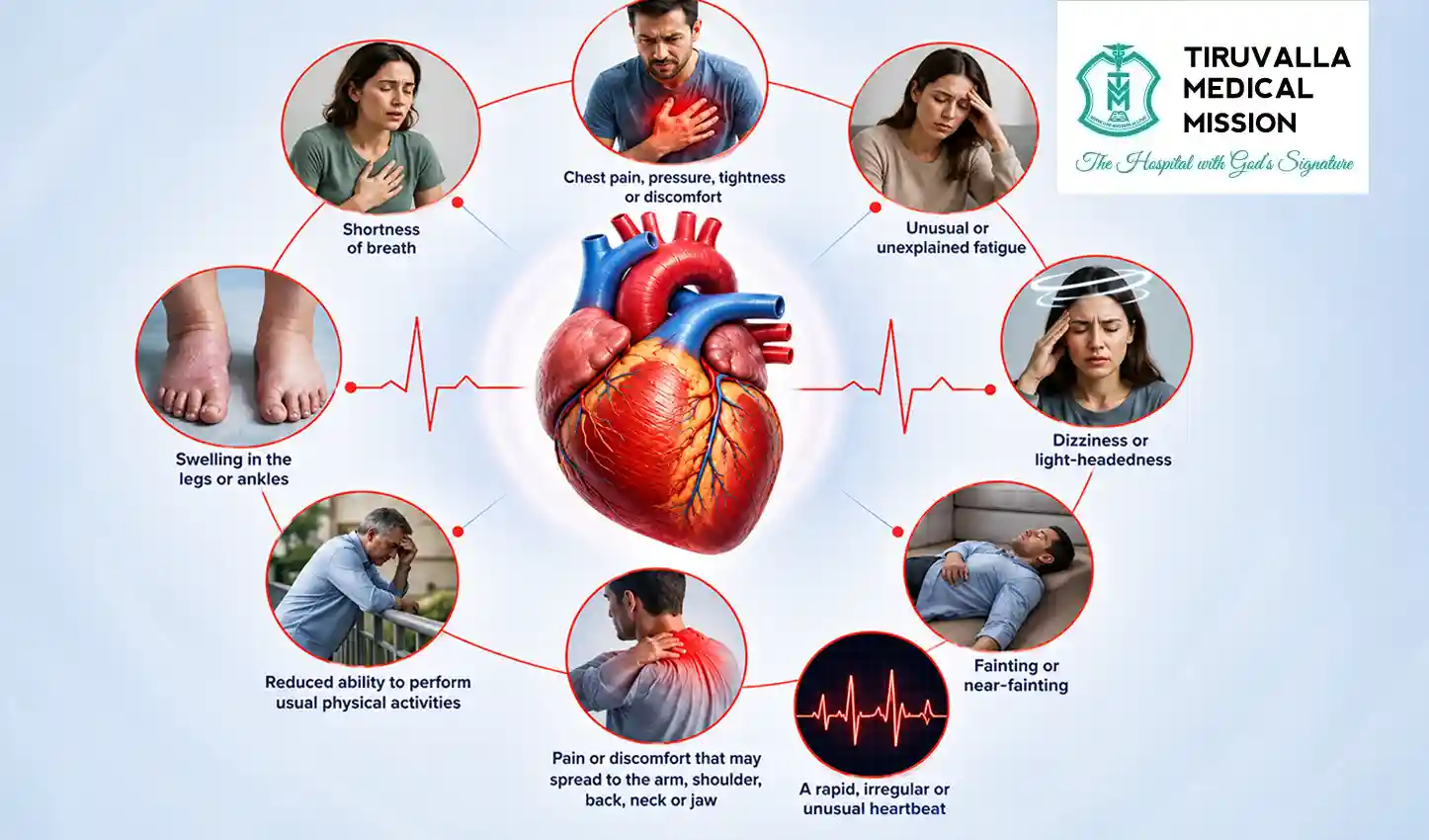
If you notice any of these symptoms, don’t wait for them to worsen. Our detailed guide on early signs of heart disease explains what each symptom could mean and when to seek care.
Simple Tips for a Healthy Heart
Most heart disease risk factors respond well to consistent, everyday habits. Here’s where to start.
Eat a Heart-Healthy Diet
A heart-healthy diet should focus on an overall eating pattern rather than a single food or supplement.
Include a variety of:
- Vegetables and fruits
- Whole grains
- Beans, lentils and other legumes
- Nuts and seeds
- Fish and other nutritious protein sources
- Lean protein options
- Foods containing healthier unsaturated fats
Try to reduce foods high in added sugars, excess sodium, saturated fats and highly processed ingredients. The American Heart Association’s updated 2026 dietary guidance emphasises vegetables, fruits, whole grains, healthy protein sources, unsaturated fats and minimally processed foods while reducing excess sodium and added sugars.
You do not need to completely change your diet in one day. Replacing sugary drinks with water, adding vegetables to meals and choosing whole grains more often are simple places to start.
Stay Physically Active
Regular physical activity helps keep the heart and blood vessels functioning efficiently. It can also support weight management and improve several cardiovascular risk factors.
Walking, cycling, swimming, dancing, gardening and other activities can contribute to your weekly physical activity. If you have been inactive for a long period or have an existing medical condition, speak with your healthcare professional about the safest way to begin or increase exercise.
Maintain a Healthy Weight
Maintaining a healthy weight can support better control of blood pressure, cholesterol and blood sugar. Sustainable weight management usually works better than short-term restrictive diets.
Focus on balanced meals, regular movement, appropriate portions, adequate sleep and habits that you can maintain over the long term.
If you are concerned about your weight or have conditions such as diabetes, hypertension or heart disease, personalised guidance from a healthcare professional or qualified nutrition professional may be helpful.
Manage Stress
Finding healthy ways to manage stress can support both emotional and physical wellbeing.
Consider incorporating activities such as:
- Walking or other physical activity
- Breathing and relaxation exercises
- Meditation or mindfulness
- Spending time with friends and family
- Hobbies and recreational activities
- Maintaining a regular daily routine
- Speaking with a mental health professional when needed
A combination of approaches may work better than relying on one stress-management technique.
Get Enough Sleep
Sleep is an important part of cardiovascular health. Poor sleep can make it more difficult to maintain healthy routines and may be associated with several cardiovascular risk factors.
Try to maintain a consistent sleep and wake schedule and create a comfortable sleep environment. If you regularly have difficulty sleeping, wake frequently at night or experience symptoms such as loud snoring and daytime sleepiness, discuss these concerns with a healthcare professional.
Avoid Smoking and Excessive Alcohol
Quitting smoking and moderating alcohol intake are two of the most impactful changes you can make for your cardiovascular system. For more preventive strategies, see our guide on heart attack prevention.
Importance of Regular Heart Health Checkups
Regular health checkups can help identify cardiovascular risk factors before they become more serious problems.
Depending on your age, health history and risk profile, a healthcare professional may recommend monitoring factors such as:
- Blood pressure
- Cholesterol levels
- Blood glucose
- Body weight and waist measurements
- Lifestyle habits
- Family history
- Smoking status
- Physical activity
- Other medical conditions
The appropriate frequency of screening varies from person to person. People with diabetes, hypertension, high cholesterol, obesity, a strong family history or previous cardiovascular problems may require closer monitoring.
Regular checkups are not simply about detecting heart disease. They can also provide an opportunity to discuss prevention and make practical changes before risk factors become harder to manage. Current cardiovascular prevention guidance emphasises monitoring key health factors and addressing modifiable risks early.
When Should You See a Cardiologist?
You don’t need to wait for a crisis to seek medical advice. Consider scheduling an appointment if you experience:
- Recurring or unexplained chest discomfort
- Shortness of breath during routine activity
- A family history of heart disease, especially at a young age
- Uncontrolled high blood pressure, cholesterol, or diabetes
- Irregular heartbeat or fainting spells
For people looking for specialised cardiac care, consulting a qualified Cardiologist in Pathanamthitta can help with appropriate evaluation, diagnosis, prevention and management based on individual health needs.
If you experience sudden or severe chest pain, significant breathing difficulty, fainting or other symptoms that may indicate a heart attack or another medical emergency, seek emergency medical care immediately rather than waiting for a routine appointment.
FAQs
- 1. How can I improve my heart health naturally?
-
2. How often should I have a heart health checkup?
Regular checkups depend on your age, medical history and risk factors. Monitoring blood pressure, cholesterol and blood sugar can help identify heart-related risks early.
-
3. What are the main risk factors for heart disease?
Common risk factors include high blood pressure, high cholesterol, diabetes, smoking, physical inactivity, excess weight, stress, age and family history.
-
4. Can heart disease develop without symptoms?
Yes, some heart conditions and risk factors may develop without noticeable symptoms. Regular health screenings can help detect potential problems early.
-
5. What foods are good for heart health?
Choose vegetables, fruits, whole grains, legumes, nuts, seeds, fish and healthy protein sources. Limit foods high in excess sodium, added sugars and saturated fats.
-
6. Does regular exercise help prevent heart disease?
Yes, regular physical activity can improve cardiovascular fitness and help manage weight, blood pressure and other heart disease risk factors.
-
7. When should I see a cardiologist?
Consider seeking medical advice for recurring chest discomfort, unexplained breathlessness, irregular heartbeat, fainting, or uncontrolled blood pressure, cholesterol, or diabetes.
-
8. Can stress affect heart health?
Yes, long-term stress may increase cardiovascular risk and contribute to unhealthy habits. Regular exercise, relaxation techniques, mindfulness and adequate sleep can help manage stress.
-
9. Is it important to monitor blood pressure and cholesterol even when I feel healthy?
Yes, high blood pressure and cholesterol can occur without noticeable symptoms. Regular screening helps identify these risk factors early and supports timely management.
-
10. When should heart-related symptoms be treated as an emergency?
Sudden severe chest pain, significant breathing difficulty or fainting may require immediate medical attention. Seek emergency care rather than waiting for a routine appointment.
Make Heart Health Part of Everyday Life
Taking care of your heart is a long-term commitment rather than a one-time health goal. A balanced diet, regular physical activity, healthy weight, adequate sleep, stress management and avoiding tobacco can all contribute to better cardiovascular health.
It is equally important to understand and manage risk factors such as high blood pressure, high cholesterol and diabetes. Since some heart-related conditions can develop without noticeable symptoms, regular health checkups can provide an opportunity to identify risks early and take appropriate action.
Your heart health needs can change with age, lifestyle and medical history. If you have cardiovascular risk factors or notice concerning symptoms, speak with a qualified healthcare professional for personalised advice rather than relying on self-diagnosis.
Your Heart Deserves Expert Care
Protecting your heart starts with the choices you make today. If you are concerned about cardiovascular symptoms, have known risk factors or want a professional assessment, TMM Hospital can help you access appropriate medical evaluation and cardiac care.
Speak with the healthcare team at TMM Hospital to understand your heart health needs and take informed steps towards long-term cardiovascular wellbeing.