

The Importance of Heart Health: Cardiologist-Recommended Tips for a Healthy Life
Medically Reviewed by: Dr. Aswin Narendran

Heart disease remains one of the leading causes of death worldwide, yet many cardiovascular conditions are preventable through healthy lifestyle choices, regular screenings, and early medical intervention. Understanding the importance of heart health can help you take proactive steps toward preventing serious conditions such as heart attacks, stroke, and heart failure.
At TMM Hospital, our cardiology specialists emphasize that prevention is the most effective approach to maintaining cardiovascular wellness. Whether you’re in your twenties or your sixties, it is never too early or too late to start caring for your heart.
What Is Heart Health?
Heart health refers to the overall condition and functioning of your cardiovascular system, which includes:
- The heart
- Blood vessels
- Arteries
- Veins
- Circulatory system
A healthy cardiovascular system efficiently delivers oxygen and nutrients throughout the body while removing waste products. When the system becomes damaged due to unhealthy habits, genetics, or chronic conditions, the risk of cardiovascular disease increases significantly, often requiring specialized cardiac treatment and ongoing medical care.
Good heart health means:
- Healthy blood pressure levels
- Balanced cholesterol levels
- Proper blood circulation
- Healthy body weight
- Controlled blood sugar levels
- Strong cardiac function
Why Is Heart Health Important?
Many people ask:
“Why is heart health important?”
The answer is simple: every organ in your body depends on your heart.
A healthy heart supports:
Better Physical Health
Your heart supplies oxygen and nutrients to muscles and organs. Poor heart function can lead to fatigue, weakness, and reduced physical performance.
Reduced Risk of Heart Disease
Maintaining heart health lowers your chances of developing:
- Coronary Artery Disease
- Heart Attack
- Heart Failure
- Arrhythmias
- Stroke
Longer Life Expectancy
Studies consistently show that individuals who maintain healthy cardiovascular habits tend to live longer and experience fewer chronic health complications.
Better Quality of Life
Good heart health allows you to stay active, independent, and energetic as you age.
Understanding the early signs of heart disease that you should never ignore can help ensure timely diagnosis and treatment before serious complications develop.
Heart Conditions That Can Affect Your Heart Health
Maintaining good heart health is essential for preventing a wide range of cardiovascular conditions. While many people are familiar with heart attacks and high blood pressure, several other heart disorders can significantly impact cardiovascular function.
Coronary Artery Disease and Arteriosclerosis
Arteriosclerosis occurs when arteries become thickened and less flexible due to plaque buildup. Over time, this can lead to coronary artery disease, reducing blood flow to the heart and increasing the risk of myocardial infarction (heart attack).
Valvular Heart Disease
Valvular heart disease develops when one or more heart valves do not function properly, affecting blood flow through the heart.
Common valve disorders include:
- Aortic Stenosis
- Mitral Stenosis
- Mitral Regurgitation
- Tricuspid Stenosis
- Tricuspid Regurgitation
Symptoms may include fatigue, shortness of breath, chest discomfort, and swelling in the legs.
Cardiomyopathy
Cardiomyopathy refers to diseases affecting the heart muscle.
Hypertrophic Cardiomyopathy (HCM)
HCM causes abnormal thickening of the heart muscle, making it harder for the heart to pump blood efficiently.
Dilated Cardiomyopathy
Dilated cardiomyopathy causes enlargement and weakening of the heart chambers, potentially leading to heart failure.
Heart Rhythm Disorders (Arrhythmias)
The heart relies on electrical signals to maintain a normal rhythm. Disruptions can cause arrhythmias.
Common arrhythmias include:
Bradycardia
Bradycardia is an abnormally slow heart rate that may result in fatigue, dizziness, or fainting.
Atrial Fibrillation (AFib)
Atrial Fibrillation (AFib) is one of the most common arrhythmias, causing an irregular and often rapid heartbeat that increases the risk of stroke, heart failure, and other cardiovascular complications.
Atrial Flutter
Atrial flutter is a rapid but organized heart rhythm that can affect blood circulation, increase the risk of blood clots, and may lead to complications such as stroke if left untreated.
Ventricular Tachycardia
Ventricular tachycardia is a potentially dangerous fast heartbeat originating in the lower chambers of the heart that can reduce the heart’s ability to pump blood effectively and may lead to serious cardiac complications.
Ventricular Fibrillation
Ventricular fibrillation is a life-threatening arrhythmia in which the lower chambers of the heart beat chaotically, preventing effective blood circulation and potentially leading to sudden cardiac arrest if not treated immediately.
Sudden Cardiac Death
Sudden cardiac death occurs when the heart unexpectedly stops functioning due to a severe electrical disturbance, often linked to ventricular fibrillation, cardiomyopathy, or underlying heart disease.
Major Risk Factors for Heart Disease
Understanding risk factors is one of the most effective ways to prevent heart disease.
High Blood Pressure (Hypertension)
Often called the “silent killer,” hypertension damages blood vessels and forces the heart to work harder.
High Cholesterol
Elevated LDL cholesterol contributes to plaque buildup in arteries, increasing the risk of heart attacks and stroke.
Diabetes
People with diabetes are significantly more likely to develop cardiovascular disease due to damage caused by high blood sugar levels.
Smoking
Smoking remains one of the leading preventable causes of heart disease.
Tobacco use:
- Damages arteries
- Raises blood pressure
- Reduces oxygen supply
- Accelerates plaque formation
Obesity
Excess body weight increases the likelihood of:
- Hypertension
- Diabetes
- High cholesterol
- Heart disease
Physical Inactivity
A sedentary lifestyle weakens cardiovascular fitness and increases disease risk.
Family History
Individuals with a family history of heart disease should consider earlier and more frequent cardiovascular screenings.
Cardiologist-Recommended Tips for a Healthy Heart
1. Eat a Heart-Healthy Diet
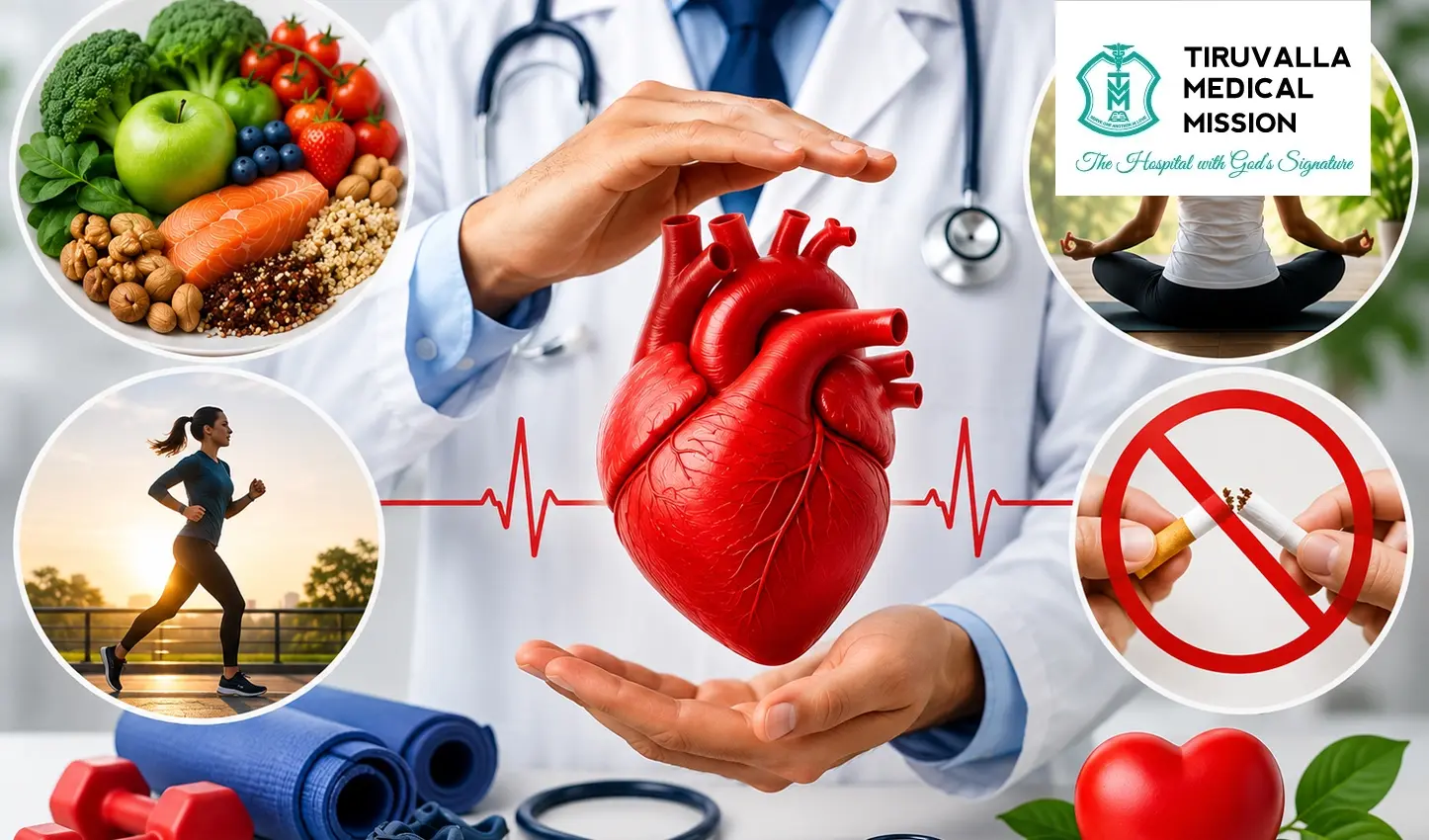
A balanced diet rich in fruits, vegetables, whole grains, lean proteins, nuts, seeds, and healthy fats can support heart health. Limit processed foods, sugary drinks, excess salt, and trans fats. Heart-friendly foods like oats, fatty fish, berries, avocados, and olive oil can help manage cholesterol and reduce inflammation.
2. Stay Physically Active
Regular exercise strengthens the heart, improves circulation, and helps maintain a healthy weight. Aim for at least 150 minutes of moderate-intensity activity or 75 minutes of vigorous exercise each week. Walking, cycling, swimming, and yoga are excellent options.
3. Maintain a Healthy Weight
Maintaining a healthy weight reduces strain on the heart and lowers the risk of high blood pressure, diabetes, and high cholesterol.
4. Manage Stress
Chronic stress can negatively affect cardiovascular health. Simple practices such as meditation, deep breathing, physical activity, and mindfulness can help reduce stress levels.
5. Get Quality Sleep
Adults should aim for 7–9 hours of sleep each night. Adequate sleep supports blood pressure regulation, metabolism, and overall heart function.
6. Avoid Smoking and Tobacco
Quitting smoking is one of the most effective ways to improve heart health and reduce the risk of cardiovascular disease.
7. Limit Alcohol Intake
Excessive alcohol consumption can increase blood pressure and contribute to heart rhythm disorders. Moderate consumption is recommended.
8. Schedule Regular Heart Check-Ups
Routine health screenings can detect conditions such as high blood pressure, high cholesterol, diabetes, and early heart disease before serious complications develop.
Consistently following heart-healthy lifestyle habits can significantly reduce your risk of heart attack and support long-term cardiovascular wellness.
Warning Signs That Require Immediate Medical Attention
Seek urgent medical care if you experience:
- Chest pain
- Sudden shortness of breath
- Fainting
- Severe dizziness
- Irregular heartbeat
- Pain radiating to the arm, jaw, or back
These symptoms may indicate a serious cardiovascular event requiring prompt evaluation.
Protect Your Heart, Protect Your Future
The importance of heart health cannot be overstated. A healthy heart is essential for maintaining energy, mobility, and overall well-being throughout life. While conditions such as heart disease, heart attack, atrial fibrillation, cardiomyopathy, and valvular heart disease can significantly impact quality of life, many cardiovascular problems can be prevented through healthy lifestyle choices and regular medical care.
By following heart-healthy habits, monitoring key risk factors, and seeking timely medical advice, you can reduce your risk of cardiovascular disease and support long-term wellness. Remember, prevention and early detection remain the most effective tools for protecting your heart and living a healthier future.
Don’t Ignore Your Heart Health
If you have risk factors such as high blood pressure, diabetes, high cholesterol, obesity, smoking history, or a family history of heart disease, don’t wait for symptoms to appear.
Your heart works for you every day; make sure you’re taking care of it. Book an appointment with our cardiology specialists and take the first step toward a healthier heart and a healthier life.
FAQs
- 1. Why is heart health important?
-
2. What are the early signs of heart disease?
Common warning signs include chest pain, shortness of breath, unusual fatigue, dizziness, irregular heartbeat, and swelling in the legs or feet. If you experience these symptoms, consult a healthcare professional promptly.
-
3. How can I improve my heart health naturally?
You can improve heart health by eating a balanced diet, exercising regularly, maintaining a healthy weight, managing stress, avoiding tobacco, and getting adequate sleep.
-
4. What foods are best for heart health?
Heart-friendly foods include fruits, vegetables, whole grains, fatty fish, nuts, seeds, berries, avocados, and olive oil. These foods help support healthy cholesterol levels and cardiovascular function.
-
5. How much exercise does my heart need?
Most cardiologists recommend at least 150 minutes of moderate-intensity exercise or 75 minutes of vigorous activity per week to maintain heart health.
-
6. Can heart disease be prevented?
Many cases of heart disease can be prevented through healthy lifestyle choices, regular health screenings, and proper management of conditions such as high blood pressure, diabetes, and high cholesterol.
-
7. What are the biggest risk factors for heart disease?
Major risk factors include high blood pressure, high cholesterol, diabetes, smoking, obesity, physical inactivity, stress, and a family history of heart disease.
-
8. When should I see a cardiologist?
You should consult a cardiologist if you experience chest pain, shortness of breath, irregular heartbeat, dizziness, or if you have risk factors such as hypertension, diabetes, or a family history of cardiovascular disease.
-
9. Can stress affect heart health?
Yes. Chronic stress can contribute to high blood pressure, unhealthy eating habits, poor sleep, and an increased risk of cardiovascular disease.
-
10. How often should I get a heart health check-up?
Adults should undergo routine health screenings as recommended by their healthcare provider. Individuals with risk factors may require more frequent cardiovascular evaluations.