


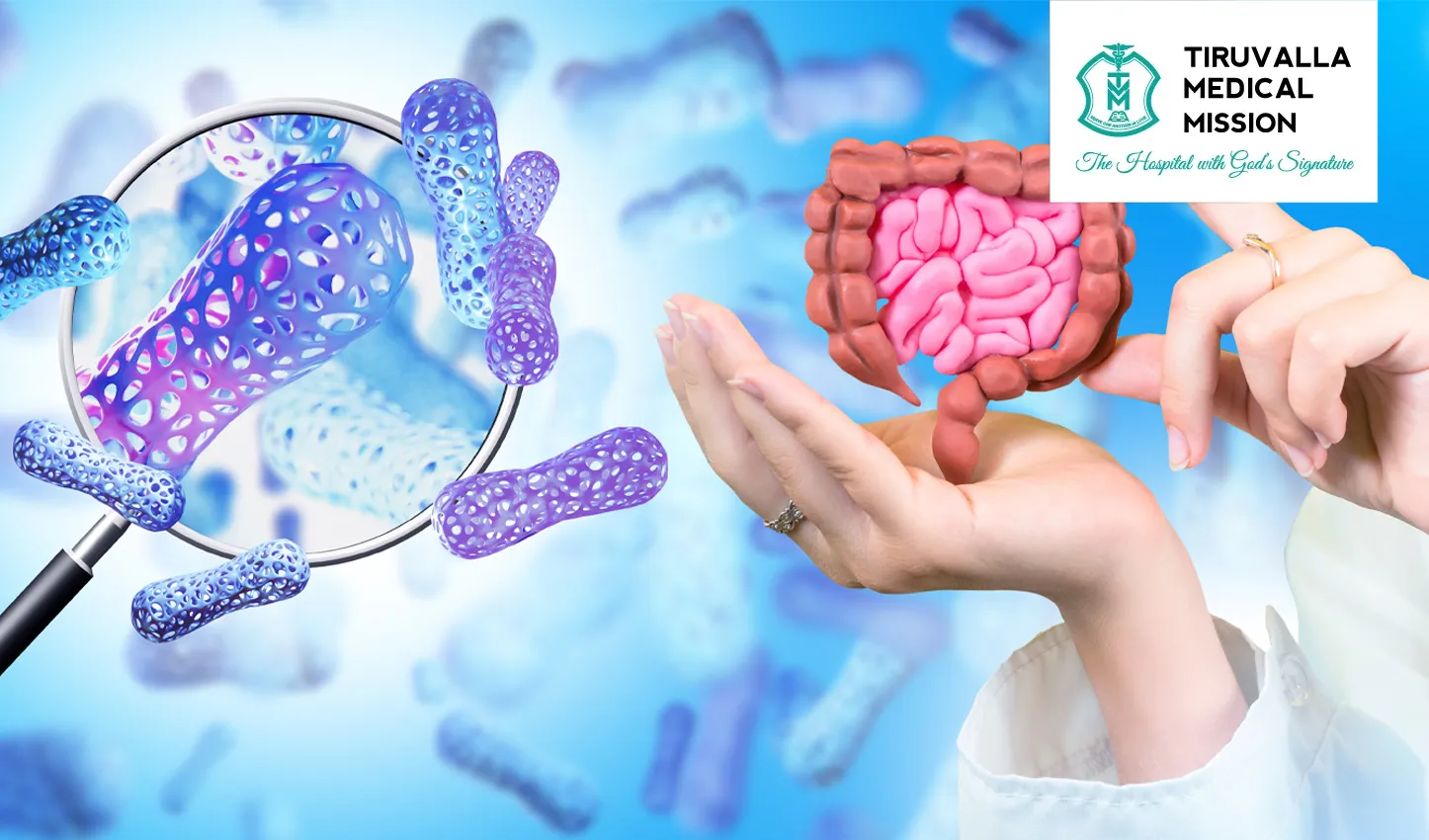
The Role of Probiotics in Digestive Health
Digestive health forms the foundation of overall wellness, yet it often receives attention only when discomfort begins to interfere with daily life. Beyond processing food, the digestive system plays a vital role in nutrient absorption, immune function, metabolic balance, and even aspects of mental well-being.
According to the gastroenterologist in Thiruvalla, maintaining a healthy gut is essential for long-term health. As medical research continues to uncover the complexity of gut function, probiotics have gained recognition for their ability to support digestive stability and restore microbial balance. Understanding how probiotics interact with the gut environment helps individuals make informed decisions about their digestive health.
The Gut Microbiome: A Living Internal Ecosystem
Inside the human digestive tract exists a diverse community of microorganisms collectively known as the gut microbiome. This internal ecosystem supports digestive efficiency while protecting the body from harmful pathogens.
While bacteria are often associated with illness, many beneficial microbes are essential for:
- Breaking down complex food components
- Producing important vitamins
- Supporting immune defenses
- Preventing the overgrowth of harmful organisms
When the microbiome remains balanced, digestion tends to function smoothly. However, factors such as chronic stress, poor diet, infections, antibiotic use, and underlying medical conditions can disrupt this balance.
Common signs of imbalance include:
- Persistent bloating
- Irregular bowel movements
- Acidity
- Gas
- Ongoing gastrointestinal discomfort
If these symptoms continue, consulting the best gastroenterologist in Thiruvalla can help identify the root cause and prevent complications.
Defining Probiotics and Their Purpose
Probiotics are carefully selected strains of beneficial microorganisms that help reinforce the natural balance of gut bacteria when introduced into the body in adequate amounts. Their primary function is to support the existing microbial community, particularly during periods when it has been weakened or disrupted.
These beneficial microbes are commonly consumed through fermented foods such as yogurt, curd, kefir, buttermilk, and traditional fermented preparations. In addition, probiotics are available in supplement form, often designed for specific clinical purposes. Because different strains perform different functions within the gut, probiotic use is most effective when matched to individual digestive needs rather than used indiscriminately.
How Probiotics Contribute to Digestive Health
Enhancing Digestive Function
Certain probiotic strains assist the digestive process by supporting the breakdown of food substances that might otherwise cause discomfort. This can lead to reduced bloating, less post-meal heaviness, and improved overall digestive comfort. By supporting enzyme activity and microbial balance, probiotics may also help the body utilize nutrients more efficiently.
Supporting Management of Digestive Conditions
Scientific research indicates that probiotics may help reduce symptoms associated with several digestive disorders, including irritable bowel syndrome, diarrhea related to antibiotic use, infectious diarrhea, and difficulty digesting lactose. Rather than acting as a cure, probiotics function as a supportive measure, helping stabilize gut flora and reduce symptom frequency when used alongside appropriate medical care.
Strengthening Gut-Based Immunity
A large portion of the body’s immune system operates within the digestive tract. Probiotics may help regulate immune responses by maintaining the integrity of the intestinal lining and moderating inflammation. This creates an internal environment that is less favourable to harmful pathogens and more supportive of long-term gut health.
Restoring Microbial Balance After Antibiotics
While antibiotics are essential for treating bacterial infections, they often disrupt beneficial gut bacteria in the process. Probiotics can assist in re-establishing microbial balance during or after antibiotic therapy, potentially reducing digestive disturbances and supporting faster recovery of normal gut function.
Are Probiotics Necessary for Everyone?
Probiotic supplementation is not a universal requirement. Many individuals maintain healthy digestion through a balanced diet rich in fiber, whole foods, and naturally fermented products. However, those experiencing persistent digestive symptoms, recurrent infections, chronic gastrointestinal or liver conditions, or recovery from significant illness may benefit from targeted probiotic support under professional supervision.
Using probiotics without identifying the underlying cause of digestive discomfort may limit their effectiveness. Proper assessment ensures that probiotics are used strategically rather than as a trial-based approach.
The Value of Medical Evaluation in Digestive Health
Digestive health should never be left to uncertainty or self-diagnosis. Symptoms that appear minor can sometimes indicate underlying conditions requiring timely medical attention. Seeking professional evaluation ensures not only an accurate diagnosis but also personalized treatment that supports long-term wellness.
With its strong clinical legacy and patient-focused approach, Tiruvalla Medical Mission (TMM) is dedicated to delivering comprehensive digestive care rooted in medical expertise and compassion. By prioritizing early evaluation and preventive care with the best gastroenterologist in Thiruvalla, patients can protect their gut health, prevent complications, and improve their overall quality of life.
Don’t ignore persistent digestive discomfort; early intervention is the key to better health outcomes and lasting peace of mind. If you are experiencing ongoing symptoms, consider reaching out through TMM Hospital for expert guidance and timely care.
FAQs
1. Can probiotics be taken every day?Probiotics obtained through food are generally safe for daily consumption. Long-term use of supplements should be guided by a healthcare professional to ensure appropriate strain selection and dosage.
2. Do probiotics cause side effects?Most individuals tolerate probiotics well. Some may experience mild bloating or gas when starting, which typically resolves as the body adjusts. Serious adverse effects are uncommon when probiotics are used correctly.
3. Can probiotics help with acidity or reflux?Certain probiotic strains may support digestive balance and motility, which can indirectly improve acidity symptoms. Persistent reflux, however, requires proper medical evaluation.
4. How long does it take to notice results?Response time varies. Some individuals experience improvement within days, while others may require several weeks, depending on the underlying condition and probiotic strain used.
5. Are probiotics suitable for children and older adults?Probiotics can be beneficial across age groups, but strain selection and dosage should be determined by a healthcare provider, particularly for children and elderly individuals.