
Early Signs of Stroke in Adults: Symptoms You Should Never Ignore
The early signs of stroke in adults often appear suddenly and may include weakness or numbness on one side of the body, facial drooping, slurred speech, sudden vision problems, dizziness, loss of balance and severe unexplained headaches. Recognising these warning signs and reaching a hospital without delay can help reduce brain damage, prevent serious complications and improve the chances of recovery.
Every minute during a stroke matters. When blood flow to the brain is interrupted, brain cells begin to die within minutes. Early treatment can help limit brain damage and improve recovery.
People may delay seeking help because symptoms seem mild or are mistaken for tiredness or other minor problems. However, waiting can lead to serious complications, including permanent disability.
Recognising stroke warning signs is essential. Timely evaluation by a neurology specialist can help identify the cause and guide appropriate care. This guide covers stroke symptoms, the B.E. F.A.S.T. method, emergency steps, diagnosis, treatment and prevention.
What Is a Stroke?
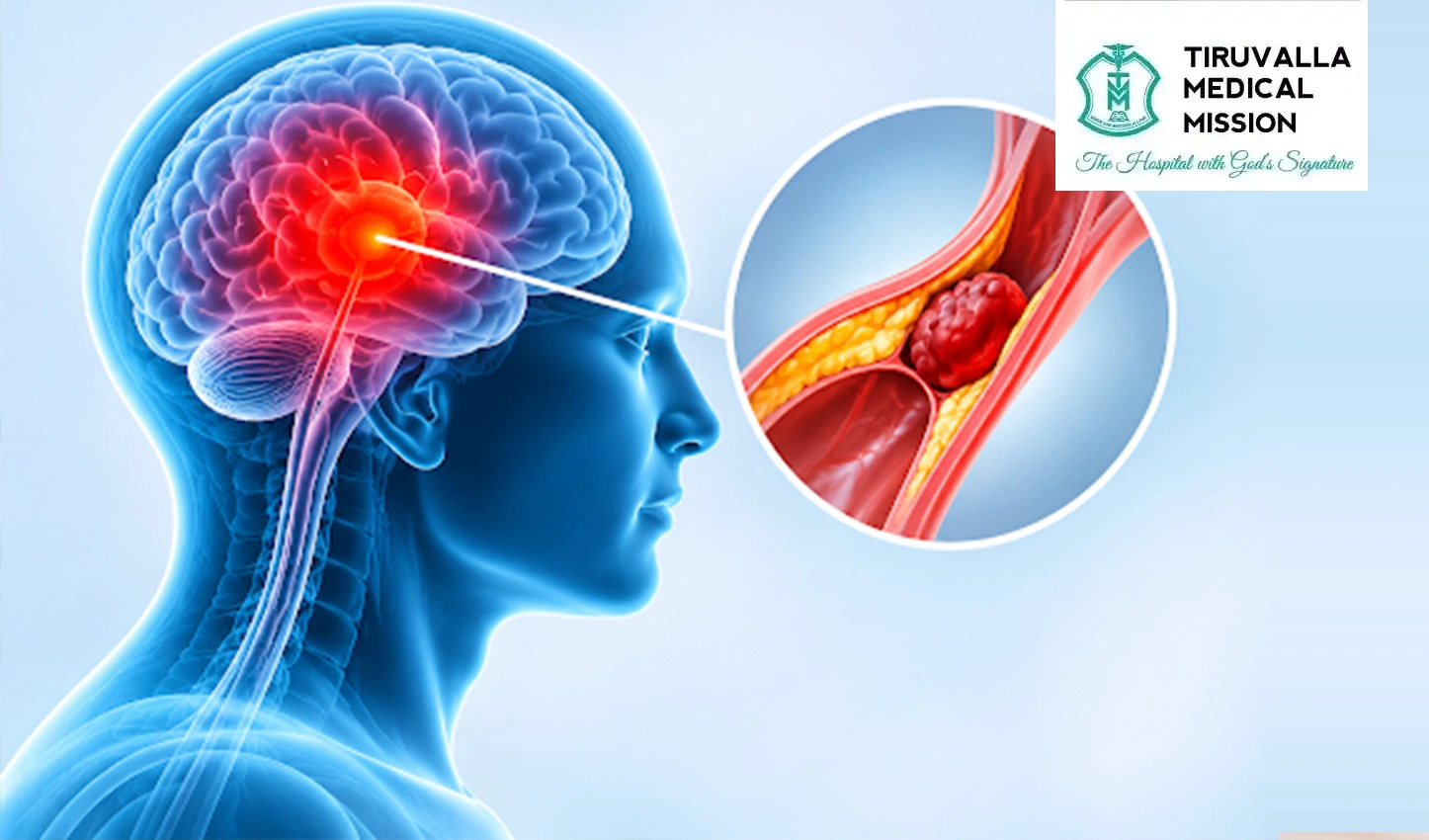
A stroke happens when a blood vessel in the brain breaks or when the blood supply to a portion of the brain is cut off. Brain cells require a steady flow of blood-borne nutrients and oxygen. The impacted cells suffer harm or perish when that supply is interrupted or cut off. Movement, speech, vision, and memory all of which are governed by that area of the brain may then be compromised.
There are two main types of stroke, and a third condition, often called a mini-stroke, that acts as a serious warning.
Ischemic Stroke
When a blood clot or constricted artery prevents blood from reaching the brain, an ischemic stroke happens. It is the most prevalent kind and is frequently linked to clots that start in the heart or fatty deposits in arteries.
Haemorrhagic Stroke
A hemorrhagic stroke happens when a blood artery in or near the brain bursts, resulting in bleeding and brain tissue damage. It can result in an abrupt, intense headache and is frequently linked to uncontrolled hypertension.
What Is a Transient Ischemic Attack (TIA)?
A transient ischemic attack (TIA), commonly known as a mini-stroke, occurs when blood flow to part of the brain is temporarily reduced or interrupted.
Its symptoms can resemble those of a major stroke, including facial drooping, weakness, speech difficulties and vision changes. However, the symptoms may disappear within minutes or hours.
Although the symptoms are temporary, a TIA should never be ignored. It can be a warning sign of a future stroke and requires urgent medical assessment to identify the underlying cause and reduce the risk of another event.
Early Signs of Stroke in Adults You Should Never Ignore
Stroke symptoms often develop suddenly and may affect movement, speech, vision, balance and cognitive abilities. Some individuals experience multiple warning signs, while others may notice only one symptom. Recognising these changes and seeking immediate medical attention is essential.
Sudden Weakness or Numbness on One Side of the Body
A sudden and unusually severe headache may indicate a haemorrhagic stroke. It can occur alongside vomiting, neck stiffness, confusion or changes in consciousness. An unexplained severe headache that develops rapidly requires immediate emergency assessment. Not every headache is an emergency, and you can read about when headaches need a neurologist’s review.
Facial Drooping or Uneven Smiling
A stroke can weaken the muscles on one side of the face, causing facial drooping. The person may struggle to smile evenly or move one side of the mouth. Asking someone to smile can help identify this symptom. If one side of the face appears lower, seek emergency medical assistance.
Slurred Speech or Difficulty Understanding Others
A stroke may affect the brain’s ability to control speech and language. Common symptoms include:
- Slurred or unclear speech.
- Difficulty finding the right words.
- Trouble forming complete sentences.
- Difficulty understanding conversations.
- Inability to repeat simple sentences.
Sudden communication difficulties should never be ignored, even if they appear mild.
Sudden Vision Problems
Sudden blurred vision, double vision or partial loss of sight in one or both eyes may indicate a stroke. Some individuals may also experience difficulty seeing objects on one side. Unexpected vision changes require immediate medical evaluation.
Dizziness, Loss of Balance or Difficulty Walking
A stroke can affect the brain areas responsible for balance and coordination. Warning signs may include sudden dizziness, difficulty standing, unsteady walking and loss of coordination. These symptoms should be treated seriously, particularly when accompanied by other neurological changes.
Sudden Severe Headache Without a Known Cause
A sudden and unusually severe headache may indicate a haemorrhagic stroke. It can occur alongside vomiting, neck stiffness, confusion or changes in consciousness. An unexplained severe headache that develops rapidly requires immediate emergency assessment.
Confusion or Difficulty Understanding Simple Instructions
A stroke may affect memory, attention and understanding. An individual may suddenly become confused, struggle to follow simple instructions or have difficulty understanding familiar conversations. Sudden confusion, particularly when accompanied by speech or movement difficulties, should never be ignored.
Important: Stroke symptoms can vary between individuals. Even one sudden warning sign requires immediate medical attention. Do not wait for additional symptoms to appear or assume that the condition will resolve on its own.
How to Recognise a Stroke Using the B.E. F.A.S.T. Method
The B.E. F.A.S.T. method is a simple way to remember the most common stroke warning signs. Checking these quickly can help you decide when to call for emergency help.
| Letter | Warning Sign |
|---|---|
| B – Balance | Sudden loss of balance or coordination |
| E – Eyes | Sudden changes in vision |
| F – Face | One side of the face droops |
| A – Arms | One arm becomes weak or drifts downward |
| S – Speech | Speech becomes slurred or difficult to understand |
| T – Time | Seek emergency medical help immediately |
Can Stroke Symptoms Occur in Younger Adults?
Yes. Although the risk rises with age, stroke can and does occur in younger adults, including people in their 20s, 30s, and 40s. Several factors contribute to this:
- Uncontrolled high blood pressure or diabetes at an early age
- High cholesterol and an unhealthy diet
- Smoking, tobacco use, and excess alcohol
- Obesity and a sedentary lifestyle
- Heart conditions, including structural heart defects and irregular heartbeat
- Blood clotting disorders
- Tears in the neck arteries (arterial dissection)
- Use of certain recreational drugs
- Chronic stress and poor sleep
Younger people are often misdiagnosed or delay seeking help because they assume that “strokes only happen to older people.” Sudden weakness, speech trouble, severe headache, or vision loss should never be dismissed because of age. If symptoms appear suddenly, seek emergency care.
What Should You Do If Someone Shows Signs of a Stroke?
Acting quickly can save a life and reduce disability. If you suspect a stroke in yourself or someone else:
Call emergency services immediately. Contact the local emergency ambulance service as soon as stroke symptoms appear. Do not wait to see whether the symptoms improve. An ambulance can help the patient reach emergency medical care promptly, while emergency personnel can provide appropriate assistance during transport.
Note the time symptoms began. Doctors use this time to decide which treatments are safe and effective. If the person woke up with symptoms, note the last time they were seen well.
Keep the person calm and still. Help them lie down or sit comfortably, with the head slightly raised if they are conscious. If they are drowsy or vomiting, place them on their side.
Do not give food, drink, or medicines. Stroke can affect swallowing, increasing the risk of choking. Avoid giving aspirin or any other tablet unless a doctor advises it, because it may be harmful in a haemorrhagic stroke.
Loosen tight clothing and stay with the person.
Share information with the medical team. Tell them about the person’s symptoms, medical history, and current medications.
Go to a hospital equipped for stroke care. If possible, choose a facility with emergency, neurology, and imaging services, such as a 24-hour hospital with round-the-clock facilities.
What Causes a Stroke? Common Risk Factors
Understanding the risk factors can help you take steps to lower your chances of having a stroke. Many are treatable or preventable.
- High blood pressure: The leading risk factor for stroke. Over time, high pressure damages and weakens blood vessels, increasing the risk of both blockage and bleeding.
- Diabetes: High blood sugar damages blood vessels and accelerates the build-up of fatty deposits in arteries. Regular follow-up at a diabetes speciality centre helps keep sugar levels under control.
- High cholesterol: Excess cholesterol can build up in artery walls, narrowing them and making clots more likely.
- Smoking and tobacco use: Tobacco damages blood vessels, raises blood pressure, and makes blood more likely to clot.
- Certain heart conditions: Atrial fibrillation, heart valve disease, heart failure, and a previous heart attack can all increase stroke risk.
- Physical inactivity and unhealthy lifestyle habits: Lack of exercise, obesity, a diet high in salt, sugar, and unhealthy fats, and excessive alcohol all contribute.
- Previous stroke or TIA: Anyone who has had a stroke or mini-stroke is at higher risk of another and needs close follow-up.
How Is a Stroke Diagnosed and Treated?
Emergency Assessment and Neurological Examination
When a patient arrives with suspected stroke symptoms, doctors quickly assess blood pressure, heart rate, blood sugar and overall condition. A neurological examination checks facial movement, muscle strength, speech, vision, coordination and alertness to identify possible brain damage.
Brain Imaging and Other Diagnostic Tests
Brain imaging helps confirm a stroke and identify its type. A CT scan can detect bleeding, while an MRI provides detailed images of affected brain tissue. Doctors may also recommend blood tests, ECG and blood vessel imaging to identify underlying causes.
Treatment Options Based on Stroke Type
Treatment depends on the stroke type, severity and time since symptoms began.
- Ischemic stroke: Treatment may include clot-dissolving medication or mechanical thrombectomy to restore blood flow in eligible patients.
- Haemorrhagic stroke: Treatment focuses on controlling bleeding and brain pressure through medication or surgery when necessary.
- Rehabilitation: Physiotherapy, occupational therapy and speech therapy can support recovery and help patients regain daily functional abilities.
Early diagnosis and appropriate treatment are essential to reduce brain damage, prevent complications and improve recovery outcomes.
Can Stroke Be Prevented?
Although not every stroke can be prevented, managing risk factors can help reduce the likelihood of developing the condition.
- Monitor blood pressure regularly and follow prescribed treatment.
- Manage diabetes through appropriate medication, diet and monitoring.
- Maintain healthy cholesterol levels.
- Follow a balanced diet rich in vegetables, fruits and whole grains.
- Engage in regular physical activity according to medical advice.
- Avoid smoking and tobacco products.
- Maintain a healthy body weight.
- Attend regular health check-ups.
- Take prescribed medications as recommended by healthcare professionals.
Individuals with existing medical conditions should consult their doctors about appropriate preventive measures.
FAQs
- 1. What are the first warning signs of a stroke in adults?
-
2. Can a stroke happen without warning?
Yes. A stroke can occur suddenly without noticeable warning. However, some individuals may experience a TIA before a major stroke.
-
3. How can you identify a stroke at home?
The B.E. F.A.S.T. The method helps identify sudden balance problems, vision changes, facial drooping, arm weakness and speech difficulties.
-
4. What is the difference between an ischemic and haemorrhagic stroke?
An ischemic stroke occurs due to a blocked blood vessel, while a haemorrhagic stroke occurs when a blood vessel ruptures and causes bleeding in or around the brain.
-
5. Can stroke symptoms disappear after a few minutes?
Yes. TIA symptoms may disappear within minutes or hours. However, immediate medical assessment is essential even when symptoms resolve.
-
6. Can younger adults experience a stroke?
Yes. Younger adults can experience strokes due to risk factors such as hypertension, diabetes, smoking and certain heart conditions.
-
7. Does every stroke cause paralysis?
No. Depending on the affected brain area, a stroke may cause speech difficulties, vision changes, memory problems, weakness or balance issues without necessarily causing paralysis.
-
8. What should you avoid doing when someone has a stroke?
Do not delay emergency assistance or give food, drinks or medication independently. Contact emergency services immediately.
-
9. How is a stroke diagnosed?
Doctors use neurological examinations, CT scans, MRI scans and other investigations to identify the stroke type and severity.
-
10. Can early treatment improve stroke recovery?
Yes. Prompt treatment can help limit brain damage and improve recovery outcomes. Results depend on the severity and type of stroke and the patient’s overall health.
Recognising Stroke Warning Signs Can Save Lives
A stroke can strike suddenly, but its warning signs are often recognisable. Sudden weakness or numbness on one side, a drooping face, slurred speech, vision changes, loss of balance, a severe headache, or confusion are signals that should never be ignored.
Using the B.E. F.A.S.T. method can help you recognise a stroke quickly, and acting without delay can make the difference between recovery and lasting disability.
Remember that stroke can affect adults of any age, and that even short-lived symptoms need urgent medical attention. Managing blood pressure, diabetes, and cholesterol, staying active, eating well, avoiding tobacco, and following your medication plan can significantly lower your risk.
Get Timely Medical Care at TMM Hospital
Stroke is a medical emergency that requires prompt evaluation and appropriate treatment. Recognising the warning signs and seeking immediate medical assistance are essential steps towards protecting brain health.
At Tiruvalla Medical Mission Hospital (TMM Hospital), patients can seek medical evaluation and appropriate healthcare guidance for neurological symptoms and related health concerns.
Don’t ignore the warning signs of a stroke. Seek immediate medical assistance.
For hospital enquiries and appointments, contact TMM Hospital.