


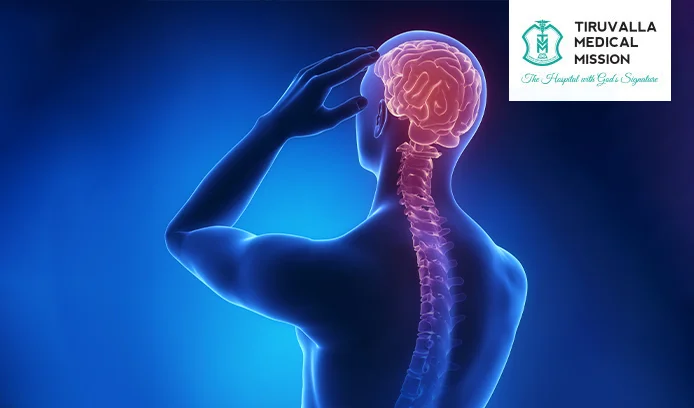
When Seconds Matter: Understanding Brain and Spine Trauma
A fall on a slippery floor. A collision on the highway. These events happen without warning, yet their consequences can be devastating. Brain and spine trauma often shows no immediate signs, but the internal damage can be life-threatening. From loss of mobility to memory issues, the effects can be long-term and life-changing. In such moments, every second counts, and only swift, expert care, like that provided by the neurologists, can make the difference between recovery and permanent damage.
What Happens During Brain and Spine Trauma?
Brain and spine injuries are among the most complex challenges in medicine. They affect not just mobility or memory, but often a person’s very sense of independence and quality of life. Traumatic brain injuries (TBI), such as concussions or contusions, can result from direct blows, rapid shaking of the head, or penetrating injuries.
Mild TBIs like concussions may not show up on a scan, yet they can still affect focus, balance, sleep, and mood. More severe cases may involve bleeding, swelling, or direct damage to brain tissue, sometimes requiring surgical intervention and long-term rehabilitation.
Recognizing the Red Flags
Time plays a critical role in treating brain and spine injuries. Symptoms like confusion, vomiting, seizures, or unconsciousness following a head injury should never be ignored. Similarly, if someone experiences sudden numbness, weakness, inability to move limbs, or loss of bladder control after a fall or accident, it may point to spinal trauma.
Delays in care can lead to permanent damage. On the other hand, early stabilization, accurate diagnosis, and guided treatment can dramatically improve the chances of recovery.