


When Blood Vessels Bulge: Navigating the Complex Path of Brain Aneurysm Treatment
A brain aneurysm is one of those medical conditions that often goes unnoticed until it demands urgent attention. For many, it begins without symptoms, discovered only by chance or following a sudden, severe headache. But behind the silence lies a serious risk. Understanding how brain aneurysms are diagnosed and treated can make all the difference, especially when timing and precision are critical.
What Is a Brain Aneurysm?
A blood vessel swells like a balloon, which may or may not have lasting impacts. That is a brain aneurysm. While many aneurysms remain harmless and go unnoticed, others can rupture, leading to bleeding in the brain, a condition known as subarachnoid hemorrhage. This situation demands immediate medical intervention.
Detecting the Signs Early
Most aneurysms are silent until they rupture. However, in some cases, unruptured aneurysms may produce symptoms such as severe headaches, blurred or double vision, neck pain, or even seizures. Imaging studies like CT angiograms, MR angiograms, and cerebral angiography help doctors pinpoint the aneurysm’s size, location, and risk level.
How Neurosurgeons Treat Brain Aneurysms
Once diagnosed, the treatment strategy depends on several factors, including the aneurysm’s size, location, the patient’s age, and whether the aneurysm has ruptured.
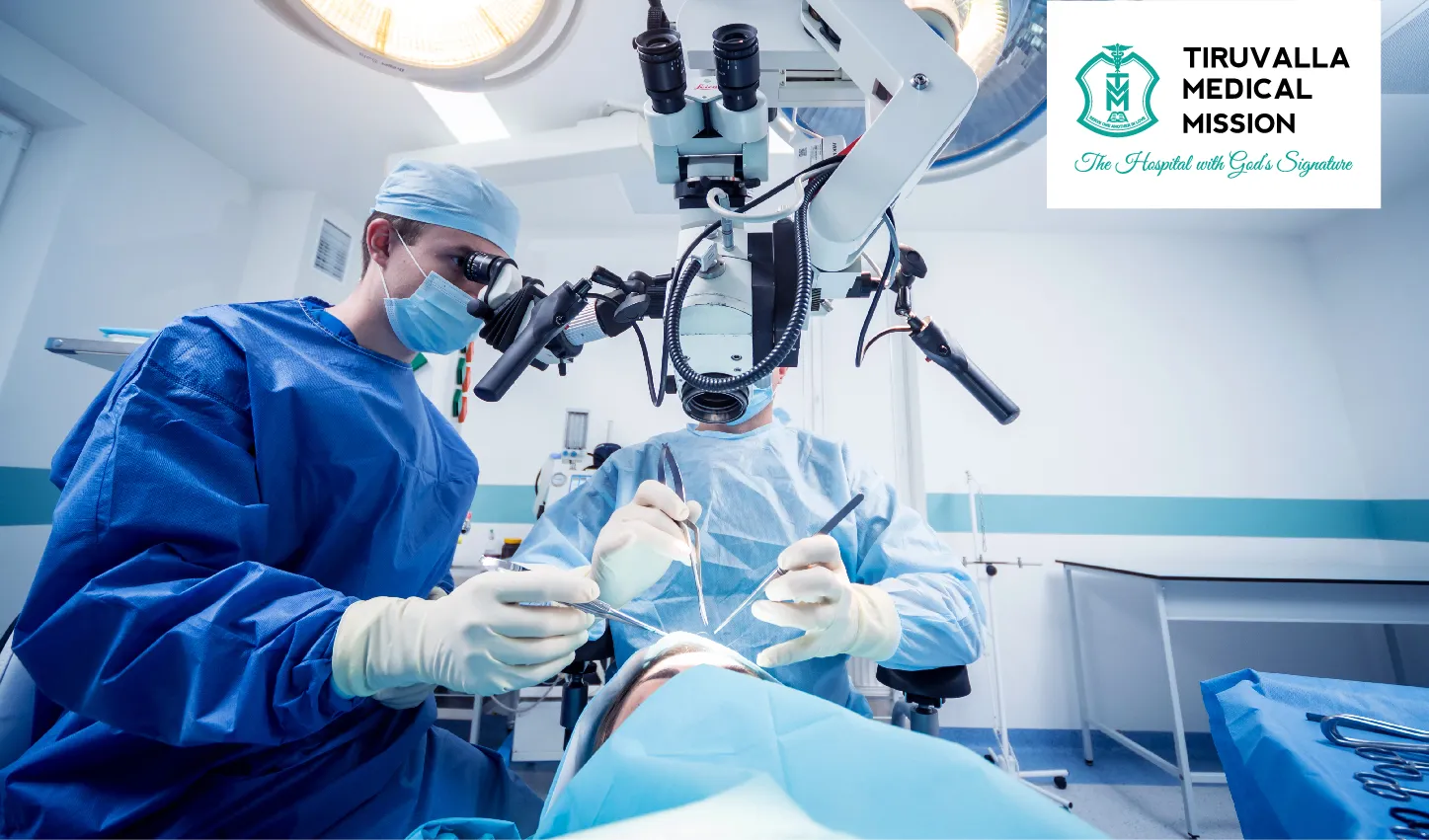
- Microsurgical Clipping: In this procedure, a neurosurgeon places a tiny clip at the base of the aneurysm to prevent blood flow into it. Open brain surgery is needed here, but it offers a durable and permanent solution to this problem.
- Endovascular Coiling: This minimally invasive method involves inserting a catheter through the groin and guiding it to the brain. Tiny platinum coils are deployed into the aneurysm, causing it to clot and prevent rupture.
Both approaches are safe and effective when performed in the right setting, and the decision is based on individual patient factors.
The Recovery Phase
Patients recovering from aneurysm treatment may require close monitoring, especially if the aneurysm had ruptured. Recovery could include physical therapy, cognitive support, and regular
Imaging follow-ups. Minimally invasive methods like coiling tend to have quicker recovery times, but surgical clipping may be more suitable in specific cases for long-term stability.
Why the Right Environment Matters
Managing a brain aneurysm demands the entire ecosystem of care surrounding it. The choice of hospital can deeply influence outcomes. At Tiruvalla Medical Mission (TMM), complex neurosurgical conditions are handled with both clinical precision and quiet confidence. The hospital’s dedicated neurosurgical team, supported by advanced imaging, ICU care, and state-of-the-art operating theatres, ensures that every patient receives seamless care from diagnosis to discharge. Built on over 90 years of ethical, patient-first healthcare, TMM continues to provide expert care rooted in trust and compassion.
Hope Through Early Detection and Expert Care
Brain aneurysms may be unpredictable, but they are not untreatable. With early detection, accurate evaluation, and timely intervention, patients can not only survive but also return to healthy, meaningful lives. The advancements in neurosurgery today make it possible to treat conditions that once seemed like ticking time bombs. Choosing the Best Neurologists in Thiruvalla at TMM ensures that patients receive world-class expertise, advanced treatment options, and compassionate care all under one roof.