
National Cancer Awareness Day 2026: Importance of Early Detection and Prevention
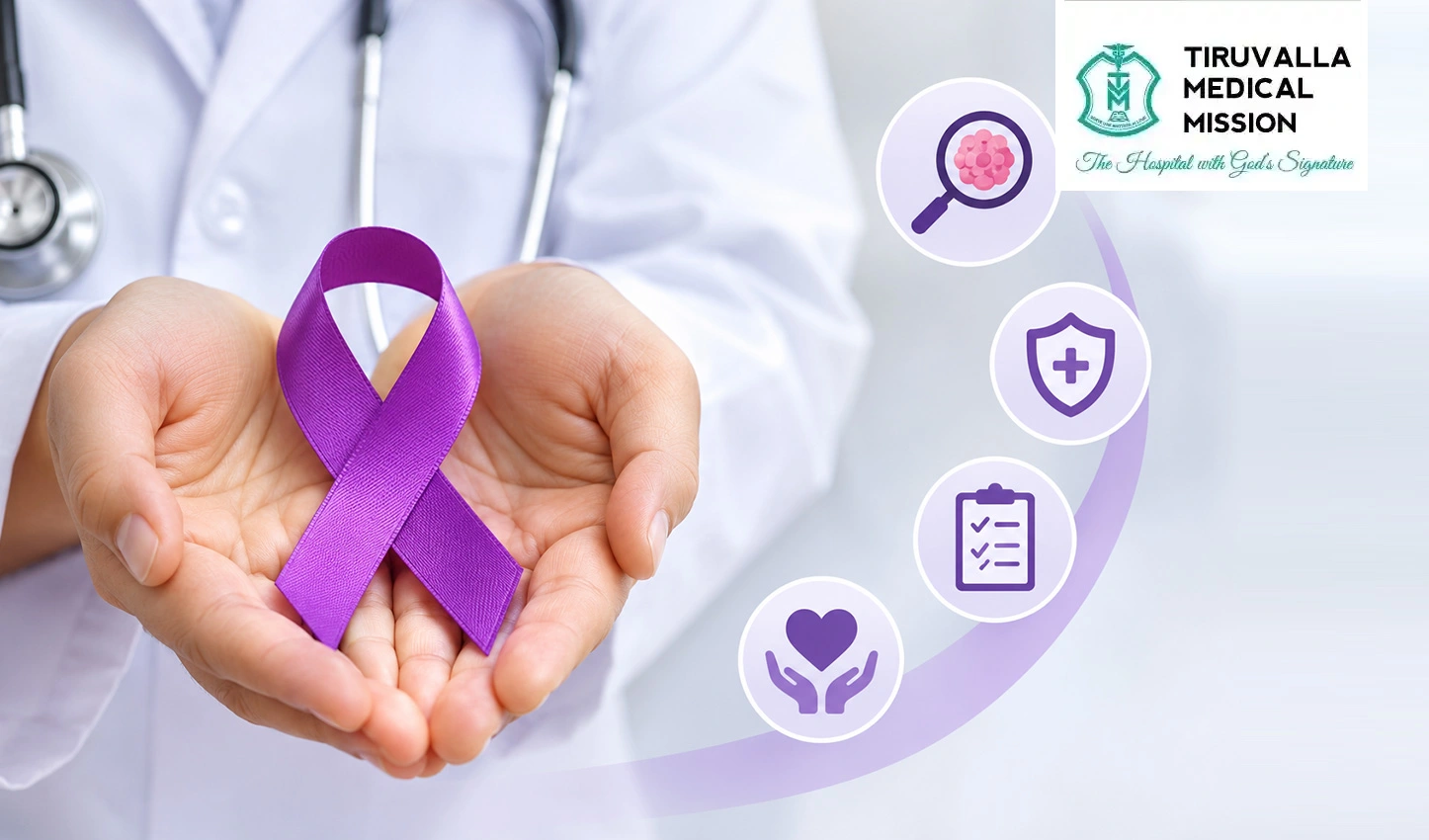
National Cancer Awareness Day is observed in India on November 7 every year to promote awareness about cancer prevention, early detection and timely treatment. Early cancer detection is important because it can help identify the disease before it progresses to an advanced stage, providing more opportunities for effective treatment. Regular health checkups, doctor-recommended screening tests, awareness of warning signs and healthy lifestyle choices can help reduce cancer-related risks and improve health outcomes.
Cancer is a major health concern worldwide and can affect people of all age groups. National Cancer Awareness Day, observed on November 7 in India, highlights the importance of cancer prevention, early detection and timely treatment.
Recognising warning signs, attending recommended screenings and seeking medical advice can help identify cancer early and improve treatment opportunities. Understanding available cancer care and oncology services is also important for making informed healthcare decisions.
Importance of Raising Cancer Awareness
Cancer awareness is not just a yearly campaign. It shapes how early families act on symptoms and how confidently they approach doctors. Here is why it matters:
- Encourages people to understand cancer risk factors. Tobacco use, alcohol, obesity, poor diet, infections such as HPV and hepatitis B, family history and age all influence risk. Knowing which apply to you lets you act sooner.
- Promotes regular health checkups and recommended screenings. Screening can detect some cancers before symptoms develop, when treatment is most effective.
- Helps reduce misconceptions and stigma surrounding cancer. Myths such as “cancer is always fatal” or “cancer is contagious” cause fear and delay. Accurate information encourages open conversations and timely care.
- Encourages individuals to seek medical advice when symptoms appear. Many people ignore symptoms for weeks or months. Awareness helps them recognise when a symptom deserves a medical evaluation instead of waiting.
What Are the Early Warning Signs of Cancer?
Most of these symptoms are caused by common, non-cancerous conditions. However, if any of them persists for more than two to three weeks, or keeps returning, it needs a medical evaluation. A symptom does not mean you have cancer, but it should never be ignored.
Unexplained Weight Loss
Losing a noticeable amount of weight (for example, 4 to 5 kg or more) without changes in diet or exercise can be linked to cancers of the stomach, pancreas, oesophagus or lung, among other causes. It is worth discussing with a doctor.
Persistent Fatigue
Tiredness that does not improve with rest and interferes with daily life can be an early sign of some cancers, including leukaemia and colon cancer, where hidden blood loss may lead to anaemia. Fatigue has many other causes, so testing is the way to find out.
Unusual Lumps or Swelling
A new lump in the breast, neck, armpit, groin or testicle, or a swelling that grows or does not go away, should be examined. Painless lumps are often the ones people postpone, but they deserve attention.
Persistent Cough or Hoarseness
A cough lasting more than three weeks, coughing up blood, breathlessness or a hoarse voice that does not recover can point to lung or throat cancer, particularly in smokers and tobacco chewers.
Changes in Bowel or Bladder Habits
Long-standing constipation or diarrhoea, blood in the stool, a feeling of incomplete emptying, blood in the urine or a frequent urge to urinate may signal colorectal, bladder or prostate problems.
Unexplained Bleeding or Discharge
Bleeding between periods, after menopause or after intercourse, blood in sputum, vomit or stool, or an unusual nipple discharge should always be checked by a doctor.
Changes in Skin Appearance or Moles
A mole that changes in size, shape or colour, has irregular edges, bleeds or itches, or a sore that does not heal for weeks, needs evaluation. In India, mouth ulcers and white or red patches that persist for more than two weeks are also important warning signs, especially in people who chew tobacco or areca nuts.
What Are the Most Common Types of Cancer?
Cancer can affect almost any organ or tissue in the body. Understanding common cancer types can help people recognise the importance of awareness and appropriate screening.
Cancer can develop in different parts of the body. Some common types include breast, lung, cervical, colorectal and prostate cancer.
Breast Cancer
Develops in breast tissue. Common signs include breast lumps, changes in breast shape and unusual nipple discharge.
Lung Cancer
Affects the lungs and is strongly associated with tobacco use. Symptoms may include persistent coughing, chest discomfort and breathlessness.
Cervical Cancer
Develops in the cervix and is commonly linked to persistent high-risk HPV infection. HPV vaccination and regular screening can help prevent it.
Colorectal Cancer
Affects the colon or rectum. Warning signs may include changes in bowel habits, blood in the stool and abdominal discomfort.
Prostate Cancer
Prostate cancer develops in the prostate gland. Possible symptms include difficulty urinating, frequent urination and blood in the urine. Early stages may not cause noticeable symptoms.
What Cancer Screening Tests Help Detect Cancer Early?
Screening means testing people who have no symptoms in order to catch disease early. Guidelines vary by organisation and by individual risk, so your doctor will advise the right test and schedule for you.
What Cancer Screening Tests Help Detect Cancer Early?
Cancer screening helps identify certain cancers or precancerous changes before symptoms appear. The recommended tests and screening schedules depend on age, medical history and individual risk factors.
Mammography for Breast Cancer
Mammography uses low-dose X-rays to detect unusual changes in breast tissue, including small tumours that may not be felt. Regular screening may help identify breast cancer early. The recommended age and frequency depend on individual risk and medical advice.
Pap Test and HPV Testing for Cervical Cancer
A Pap test checks for abnormal cervical cells, while an HPV test detects high-risk human papillomavirus infections. Both tests help identify changes that may lead to cervical cancer.
Low-Dose CT Scan for Lung Cancer
Low-dose CT (LDCT) produces detailed images of the lungs and may detect lung cancer early. It is generally recommended for individuals at high risk, particularly those with a significant smoking history.
Colonoscopy for Colorectal Cancer
Colonoscopy allows doctors to examine the colon and rectum for abnormal growths and polyps. Some polyps can be removed during the procedure, helping prevent colorectal cancer.
PSA Testing for Prostate Cancer
The prostate-specific antigen (PSA) test is a blood test used to measure PSA levels. Elevated levels may indicate prostate problems, including cancer, but do not confirm cancer. Men should discuss the benefits and limitations of this test with their doctor.
Note: Not all screening tests are suitable for everyone. Consult an oncologist to determine the appropriate tests based on your age, family history and health risks.
Who Should Consider Regular Cancer Screening?
Cancer screening is not the same for everyone. The appropriate tests and screening schedules depend on several individual factors.
The following groups may benefit from discussing cancer screening with a healthcare professional:
- Adults above 30 years: India’s public health programme includes screening for common cancers such as oral, breast and cervical cancer through designated healthcare services.
- Individuals with a family history of cancer: People with close relatives who have had cancer may need an earlier or more personalised risk assessment.
- People with tobacco exposure: Individuals who smoke or use tobacco products may have an increased risk of certain cancers.
- Individuals with previous cancer diagnoses: People with a history of cancer may require regular follow-up and monitoring.
- People with persistent symptoms: Unexplained lumps, unusual bleeding, persistent cough or other concerning symptoms require medical evaluation, regardless of age.
Your doctor can recommend appropriate screening tests based on your medical history and risk profile
How Can You Reduce Your Risk of Cancer?
Although it is not possible to prevent every type of cancer, certain lifestyle changes can help reduce the risk of developing several cancers.
Follow a Healthy and Balanced Diet
A balanced diet supports overall health and helps maintain a healthy body weight.
Include:
- Fresh fruits and vegetables.
- Whole grains and fibre-rich foods.
- Beans, pulses and other nutritious protein sources.
- Healthy fats in appropriate quantities.
- Adequate water throughout the day.
Limit processed foods, excessive red meat, sugary drinks and foods high in salt.
Maintain a Healthy Weight and Exercise Regularly
Maintaining a healthy weight can help reduce the risk of certain cancers. Regular physical activity also supports heart health, metabolism and overall well-being.
Try to include walking, cycling, swimming or other enjoyable physical activities in your daily routine.
Avoid Tobacco and Limit Alcohol Consumption
Tobacco use is one of the major preventable causes of cancer. Smoking, chewing tobacco and exposure to second-hand smoke can increase the risk of several cancers.
Avoiding tobacco in all forms is one of the most effective steps towards cancer prevention.
Alcohol consumption is also associated with an increased risk of certain cancers. Avoiding alcohol is the healthiest option for reducing alcohol-related cancer risk.
Protect Your Skin from Excessive Sun Exposure
Excessive ultraviolet (UV) radiation exposure can increase the risk of skin cancer.
To protect your skin:
- Use broad-spectrum sunscreen.
- Wear protective clothing and sunglasses.
- Avoid prolonged exposure to intense sunlight.
- Avoid artificial tanning devices.
Consider Recommended Cancer-Preventing Vaccinations
Certain infections can increase the risk of developing cancer.
The HPV vaccine helps protect against HPV infections associated with cervical and some other cancers. The hepatitis B vaccine helps prevent hepatitis B infection, which can increase the risk of liver cancer.
Discuss age-appropriate vaccination and eligibility with a healthcare professional.
Attend Regular Health Checkups
Regular medical checkups can help identify health concerns and assess individual cancer risk factors.
Consult your doctor about appropriate screening, especially if you have a family history of cancer or experience unusual symptoms.
What Are the Available Cancer Treatment Options?
Cancer treatment depends on the type and stage of cancer, overall health and individual needs. Doctors may recommend one or a combination of the following treatments.
Surgery
Removes cancerous tumours and, when necessary, nearby affected tissues.
Chemotherapy
Uses medicines to destroy cancer cells or slow their growth.
Radiation Therapy
Uses high-energy radiation to destroy cancer cells and shrink tumours.
Immunotherapy
Helps the body’s immune system recognise and fight cancer cells.
Targeted Therapy
Uses specialised medicines to target specific genes or proteins involved in cancer growth.
Hormone Therapy
Blocks or reduces hormones that support the growth of certain breast and prostate cancers.
Palliative and Supportive Care
Focuses on managing pain, relieving symptoms and improving patients’ quality of life through medical and emotional support.
Why Is Early Cancer Diagnosis Important for Better Treatment Outcomes?
Early cancer diagnosis plays an important role in improving treatment opportunities and patient outcomes. When cancer is identified before it spreads to other parts of the body, doctors may have more treatment options available.
Some important benefits of timely diagnosis include:
More treatment opportunities: Certain cancers detected at an earlier stage may be treated using more localised or less extensive treatment approaches.
Better chances of successful treatment: Many cancers respond more effectively to treatment when diagnosed early, although outcomes vary depending on the cancer type and other factors.
Reduced treatment delays: Prompt medical evaluation helps patients receive appropriate diagnostic tests and specialist consultations without unnecessary delays.
Personalised treatment planning: Early diagnosis gives the medical team an opportunity to assess the condition and develop an appropriate treatment plan.
Improved quality of life: Timely treatment and supportive care can help manage symptoms and address physical and emotional needs.
Early diagnosis does not guarantee a cure, but it can significantly improve the opportunity for effective treatment. This is why people should not ignore persistent symptoms or postpone recommended medical evaluations.
FAQs
- 1. When is National Cancer Awareness Day observed in India?
-
2. Why is early cancer detection important?
Early cancer detection can help identify the disease before it progresses to an advanced stage. It may provide more treatment options and improve the chances of successful treatment.
-
3. What are the common early warning signs of cancer?
Common warning signs include unexplained weight loss, persistent fatigue, unusual lumps, changes in bowel or bladder habits, unexplained bleeding, persistent cough and changes in skin appearance.
-
4. Can cancer be prevented?
Not all cancers can be prevented. However, avoiding tobacco, maintaining a healthy weight, eating a balanced diet, staying physically active, limiting alcohol and receiving recommended vaccinations can help reduce the risk of certain cancers.
-
5. Which cancer screening tests should adults consider?
Depending on age and individual risk, doctors may recommend breast, cervical, oral or other cancer screening tests. Mammography, Pap tests, HPV testing and clinical examinations are among the available screening approaches.
-
6. At what age should cancer screening begin?
There is no single starting age for every type of cancer. India’s public health programme includes screening for common cancers such as oral, breast and cervical cancer among eligible adults aged 30 and above. Other tests depend on individual risk and medical recommendations.
-
7. Does a family history of cancer increase cancer risk?
Yes. Certain inherited genetic changes and family patterns can increase the risk of developing specific cancers. However, not every cancer is hereditary. People with a strong family history should discuss their risk with a doctor.
-
8. Can a healthy lifestyle completely prevent cancer?
No. A healthy lifestyle can reduce the risk of several cancers, but it cannot eliminate the possibility of developing cancer. Regular medical consultations and appropriate screening remain important.
-
9. What should I do if I notice a possible cancer symptom?
Consult a qualified healthcare professional for an appropriate evaluation. Your doctor may recommend physical examinations, imaging, laboratory tests or a biopsy depending on the symptoms.
-
10. Is cancer treatable if diagnosed early?
Many cancers have better treatment outcomes when diagnosed early. The treatment approach and chances of recovery depend on the cancer type, stage, overall health and response to treatment.
National Cancer Awareness Day 2026: Making Early Detection a Priority
National Cancer Awareness Day is a chance to move from awareness to action. Know the warning signs, understand your personal risk and schedule the screenings that suit your age and history, whether that means mammography, Pap and HPV testing, colonoscopy, low-dose CT or PSA evaluation. Pair these with everyday habits that protect you: a balanced diet, regular exercise, no tobacco, limited alcohol, sun protection, vaccination and routine checkups.
Cancer is easier to face when it is found early and treated by the right team. Taking one step this month, whether booking a checkup, quitting tobacco or encouraging a family member to get screened, can make a real difference.
Get Expert Cancer Care at TMM Hospital
Cancer care requires timely diagnosis, appropriate treatment planning and continuous medical support. At TMM Hospital, patients can seek medical guidance for understanding their health concerns and exploring appropriate cancer care options.
Whether you need further evaluation, specialist consultation or guidance about available treatment approaches, seeking medical attention at the right time is an important step towards better health.
Prioritise Early Detection and Take the Right Steps Towards Better Cancer Care at TMM Hospital.