


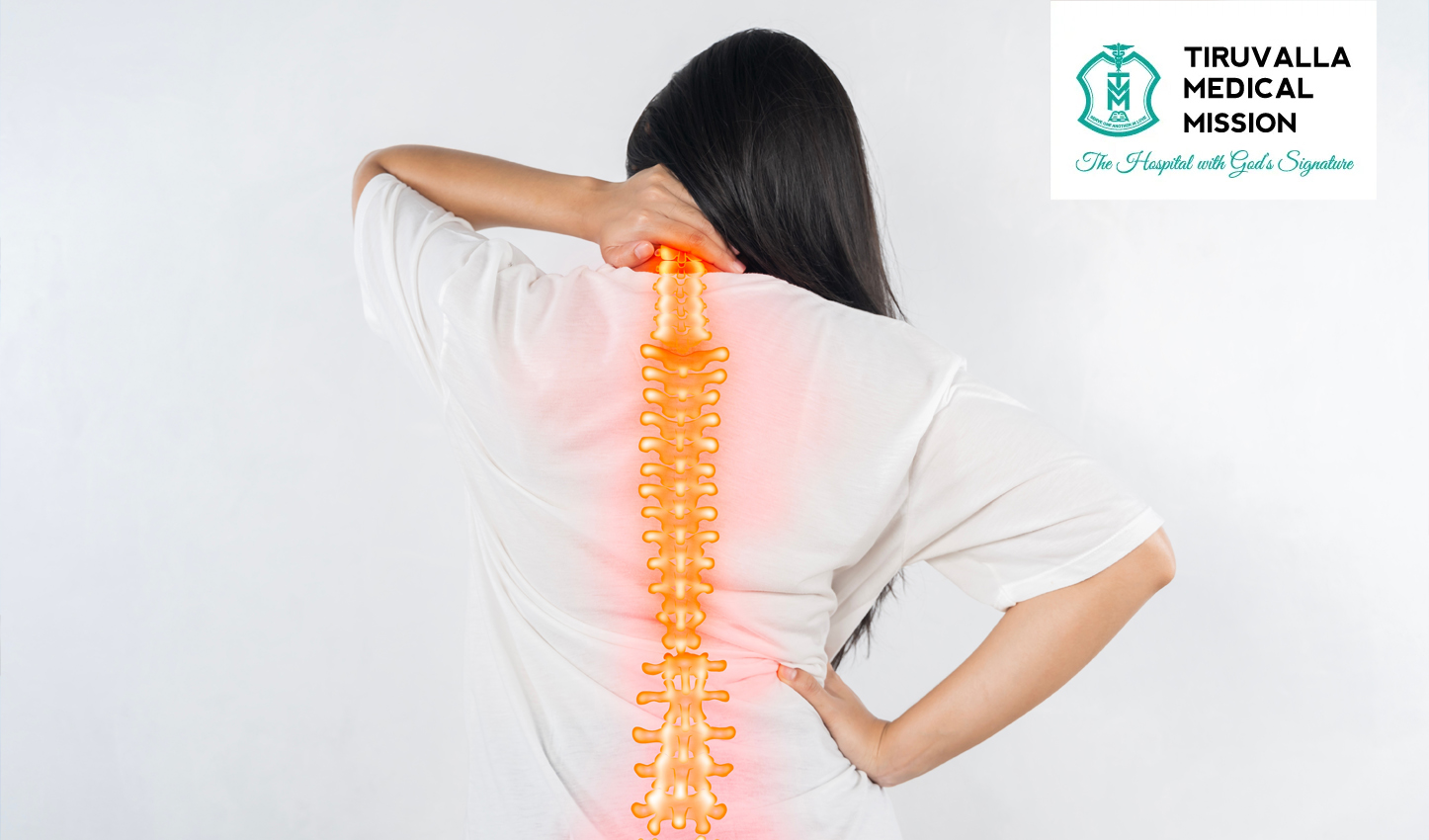
Spine Pain or Nerve Pain? How to Find Out?
Back and neck pain are experiences most people face at some point in their lives. For some, it starts as a dull ache after long hours at a desk. For others, it appears suddenly after lifting something heavy or waking up one morning with stiffness. What many don’t realize is that pain in the spine does not always come from the same source. Some pain is related to muscles or joints, while other pain is caused by irritated or compressed nerves.
Understanding where the pain is coming from plays a major role in choosing the right treatment and avoiding prolonged discomfort. If symptoms persist or worsen, consulting the best neurologists can help identify whether the pain is spine-related or nerve-related and guide proper treatment.
What Is Spine Pain?
Spine pain usually comes from the structures that support movement, such as muscles, ligaments, joints, discs, and bones. This type of pain often develops due to poor posture, lack of physical activity, overuse, or gradual wear and tear that occurs with age.
Common causes of spine-related pain include muscle strain from lifting or long periods of sitting, age-related disc changes, arthritis, weak core muscles, and repetitive physical stress. Minor injuries can also trigger pain that lingers if not properly addressed.
Spine pain is often felt directly in the neck, middle back, or lower back. It may feel worse after staying in one position for too long and better after gentle movement.
Typical Features of Spine Pain Include:
- A dull, aching, or sore feeling
- Stiffness, especially after rest or inactivity
- Pain that improves with movement or warmth
- Tenderness in specific areas of the back or neck
This pain is mechanical in nature, and so it tends to change with posture and physical activity.
What Is Nerve Pain?
Nerve pain occurs when a nerve becomes irritated, compressed, or inflamed. In the spine, this often happens when nearby structures, such as a slipped disc, swollen joint, or bone changes, press on a nerve and interfere with normal signal transmission. Unlike spine pain, nerve pain does not usually stay in one place. It often travels along the path of the affected nerve, spreading into the arms or legs.
Common causes of nerve pain include herniated discs, narrowing of the spinal canal, nerve root compression, spinal injuries, and conditions such as diabetes that affect nerve health.
Typical Features of Nerve Pain Include:
- Sharp, burning, or electric-like pain
- Tingling or “pins and needles” sensations
- Numbness or weakness in the arms or legs
- Pain that radiates away from the back or neck
A well-known example is sciatica, where pain starts in the lower back and travels down one leg.
Key Differences Between Spine Pain and Nerve Pain
Spine pain and nerve pain differ in several important ways. Spine-related pain is usually described as a dull ache, stiffness, or soreness that stays confined to the neck or back. It often changes with posture or movement and may ease with rest, gentle activity, or heat. Nerve pain, on the other hand, tends to feel sharp, burning, or electric in nature. Rather than remaining in one area, it often travels from the spine into the arms or legs and may be accompanied by tingling, numbness, or muscle weakness.
While spine pain is typically triggered by mechanical factors such as poor posture or physical strain, nerve pain develops when a nerve is irritated or compressed and may persist even during rest or worsen at night. Recognizing these patterns helps guide proper treatment and prevents unnecessary delays in care.
Why Getting the Right Diagnosis Matters
Treating nerve pain as though it were a simple muscle strain can lead to weeks or even months of unnecessary discomfort. While spine-related pain often responds well to rest, physiotherapy, and lifestyle changes, nerve pain usually needs more focused evaluation and targeted treatment.
At TMM, patients benefit from a coordinated approach that brings together orthopaedics, neurology, pain management, and advanced imaging services. Rather than treating pain in isolation, doctors focus on identifying the true source of the problem. With modern diagnostic facilities and decades of clinical experience, TMM ensures that treatment decisions are guided by careful assessment and medical evidence.
When to Seek Medical Attention
It is better to take a consultation when you experience:
- Pain that lasts more than a few weeks
- Weakness in the arms or legs
- Persistent numbness or tingling
- Difficulty walking or maintaining balance
- Pain that worsens at night or while resting
These symptoms may suggest nerve involvement and should not be ignored.
Managing Spine Pain and Nerve Pain
Treatment for Spine Pain May Include:
- Physiotherapy and posture correction
- Heat or cold therapy
- Stretching and strengthening exercises
- Pain-relief medications
- Ergonomic and lifestyle adjustments
Treatment for Nerve Pain May Include:
- Medications that reduce nerve sensitivity
- Physiotherapy guided by accurate diagnosis
- Imaging studies, when needed
- In selected cases, injections or surgical evaluation
Treatment is most effective when it addresses the cause of pain rather than just easing symptoms.
Taking a Long-Term View of Spine Health
Spine health affects mobility, independence, and overall quality of life, especially as people age or spend long hours in sedentary work environments. Early evaluation and consistent follow-up can prevent minor problems from becoming long-term limitations.
With over 90 years of trusted healthcare service in Kerala, Tiruvalla Medical Mission continues to combine medical expertise with compassionate, patient-centered care. Patients looking for guidance from the best neurologists in Thiruvalla can rely on TMM for accurate diagnosis, advanced treatment, and long-term support.
FAQs
1.Can spine pain eventually lead to nerve pain?
Yes. If conditions like disc bulges or spinal arthritis are left untreated, they can begin to press on nearby nerves.
2.Is nerve pain always more serious than spine pain?
Not always, but nerve pain often requires more specialized evaluation and should be addressed promptly.
3.Does every back pain require an MRI?
No. Imaging is usually recommended only when symptoms suggest nerve involvement or when pain does not improve with initial treatment.
4.Can physiotherapy help nerve pain?
Yes. When guided by proper diagnosis, physiotherapy can reduce nerve pressure and improve function.
5.When is surgery considered?
Surgery is considered only when conservative treatments fail or when there is significant nerve damage.