


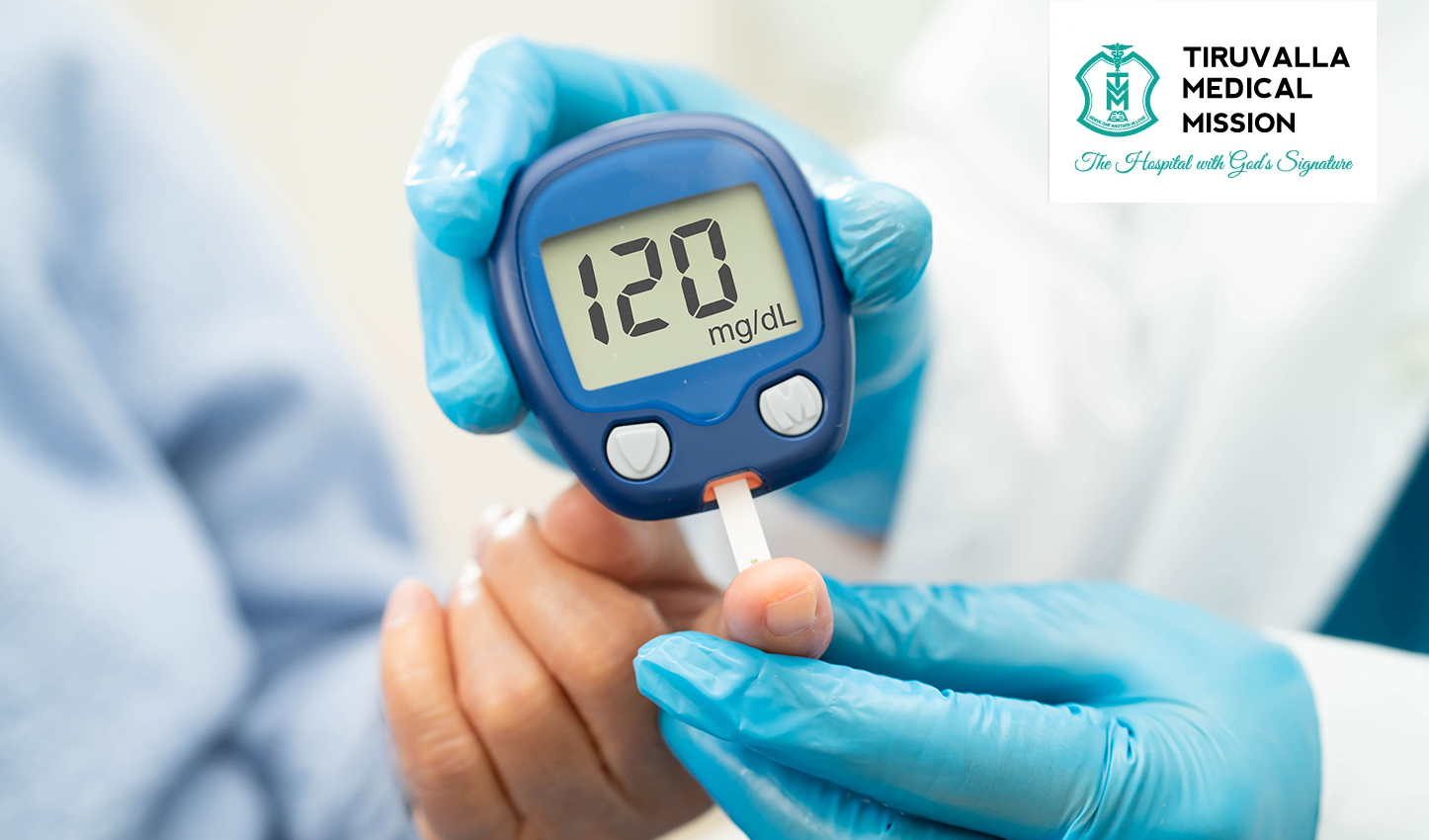
Diabetes in Young Adults: Understanding the Rise and Strengthening Prevention
A few decades ago, diabetes was rarely discussed among people in their teens or twenties. It was usually considered a condition that emerged gradually with age. Today, however, healthcare professionals are meeting increasing numbers of young adults and in some cases adolescents who report persistent tiredness, unexpected shifts in body weight, frequent infections, and intense thirst. Many of them are surprised to discover that these symptoms can signal diabetes far earlier than they imagined.
This growing trend hasn’t appeared suddenly. It reflects long-term shifts in how young people live, study, eat, and manage stress. To address the problem effectively, it is essential to understand the factors contributing to the rise and how they interact with one another.
Why Diabetes Is Becoming More Common in Young Adults
1. Daily routines now involve less movement than ever
Digital classrooms, remote work, entertainment streaming, and gaming have made long periods of sitting a normal part of everyday life. Even individuals who follow regular exercise routines may remain inactive for most of the day. This pattern slows metabolic processes and reduces the body’s responsiveness to insulin, gradually elevating blood sugar levels.
2. Stress is no longer occasional—it is constant
Many young adults face continuous pressure related to academics, career uncertainty, financial responsibilities, and social expectations. Chronic stress triggers hormonal responses that keep blood glucose elevated for extended periods. Over time, this places strain on the pancreas and disrupts normal glucose regulation.
3. Sleep schedules are inconsistent and often disrupted
Late-night screen use, irregular work hours, and shifting routines have made restful sleep harder to maintain. When sleep becomes erratic, the body’s hormonal balance shifts, reducing its ability to process glucose efficiently. Persistent sleep disturbances can accelerate the development of insulin resistance.
4. Highly processed foods dominate modern diets
Convenience foods like fast meals, packaged snacks, sweetened beverages, and other ultra-processed items form a significant portion of many young adults’ diets. These foods frequently cause steep rises in blood sugar and contribute to fat accumulation around the liver and abdomen, two major contributors to diabetes risk.
5. Genetics matters—but lifestyle determines when risk appears
A family history of diabetes increases susceptibility, but it does not explain the rapid rise in early diagnoses. Environmental exposures such as poor diet quality, disrupted routines, high stress, and inactivity can activate genetic risks at a much younger age than seen in previous generations.
Why Early-Onset Diabetes Requires Prompt Attention
When diabetes begins early in life, its long-term effects can be more severe because the body is exposed to elevated glucose levels for a longer period. Complications involving the kidneys, eyes, nerves, and heart may appear earlier if the condition goes unmanaged. Young adults often dismiss early symptoms or assume they are too young to develop a chronic condition, delaying evaluation until the disease has already progressed.
Healthcare providers, including those at institutions such as Tiruvalla Medical Mission, emphasize a holistic conversation with newly diagnosed young adults, one that examines sleep routines, stress levels, eating patterns, and daily habits that may have gradually shaped their health without being noticed.
Ways Young Adults Can Lower Their Risk
1. Incorporate movement throughout the day
Moderate, frequent movement can be more effective for blood sugar control than occasional intense workouts. Short walks after meals, taking stairs when possible, stretching between tasks, or brief activity breaks throughout the day can significantly improve insulin sensitivity.
2. Treat sleep as an essential part of health
Setting a consistent bedtime and creating a calming pre-sleep routine helps restore the body’s natural rhythm. Most adults need seven to eight hours of sleep for stable hormone regulation, improved mood, and better metabolic balance.
3. Choose foods that support steady energy
Meals centered on whole grains, vegetables, fruits, legumes, nuts, and lean proteins help maintain stable blood sugar levels. One of the simplest and most effective changes for young adults is reducing sugary beverage intake.
4. Identify and manage personal stress patterns
Stress often shows up in subtle ways: difficulty concentrating, irritability, late-night snacking, or disrupted sleep. Techniques such as journaling, mindful breathing, talking with a trusted friend, or taking short mental breaks can help reduce stress-driven blood sugar fluctuations.
5. Consider regular screening if risk factors are present
Individuals with a family history of diabetes, PCOS, thyroid disorders, obesity, or long-term stress should undergo periodic blood sugar checks. Early detection allows for timely guidance and can significantly change the trajectory of the disease.
Final Thought
The increasing number of young adults being diagnosed with diabetes highlights the urgent need for awareness, early screening, and healthier lifestyle choices. With timely medical guidance, balanced nutrition, stress management, and regular monitoring, it is possible to prevent or effectively manage the condition.
Tiruvalla Medical Mission, recognized among the best hospitals in Kerala, continue to play a vital role in educating patients and providing comprehensive care. By taking proactive steps today and seeking expert support, young adults can protect their long-term health and lead a healthier, more balanced life.
FAQ
1. Can young adults get type 2 diabetes even if they’re not overweight?
Yes. While excess weight increases the risk, many young adults who develop diabetes are not visibly overweight. Genetics, stress, sleep issues, and poor dietary habits can all trigger insulin resistance even in people who appear lean.
2. Does feeling tired all the time mean I have diabetes?
Not necessarily. Fatigue can come from many causes—stress, lack of sleep, anemia, thyroid issues, and more. But persistent tiredness, especially when paired with thirst or frequent urination, is worth checking with a doctor.
3. How early should someone get screened for diabetes?
If you have a family history, PCOS, obesity, or long working hours with little activity, getting screened once a year is a good idea—even in your twenties. For others, starting in your early thirties is usually recommended.
4. Can stress alone push someone into diabetes?
Chronic stress can play a surprisingly strong role. It raises cortisol levels, which in turn pushes up blood sugar. When this continues for months or years, it can contribute to insulin resistance. Stress may not be the only cause, but it can definitely speed up the process.
5. Is diabetes reversible in young adults?
In many cases, early-stage type 2 diabetes can be significantly improved—and sometimes reversed—with consistent lifestyle changes. This depends on how early it’s detected and how committed someone is to modifying diet, activity, and sleep routines.