


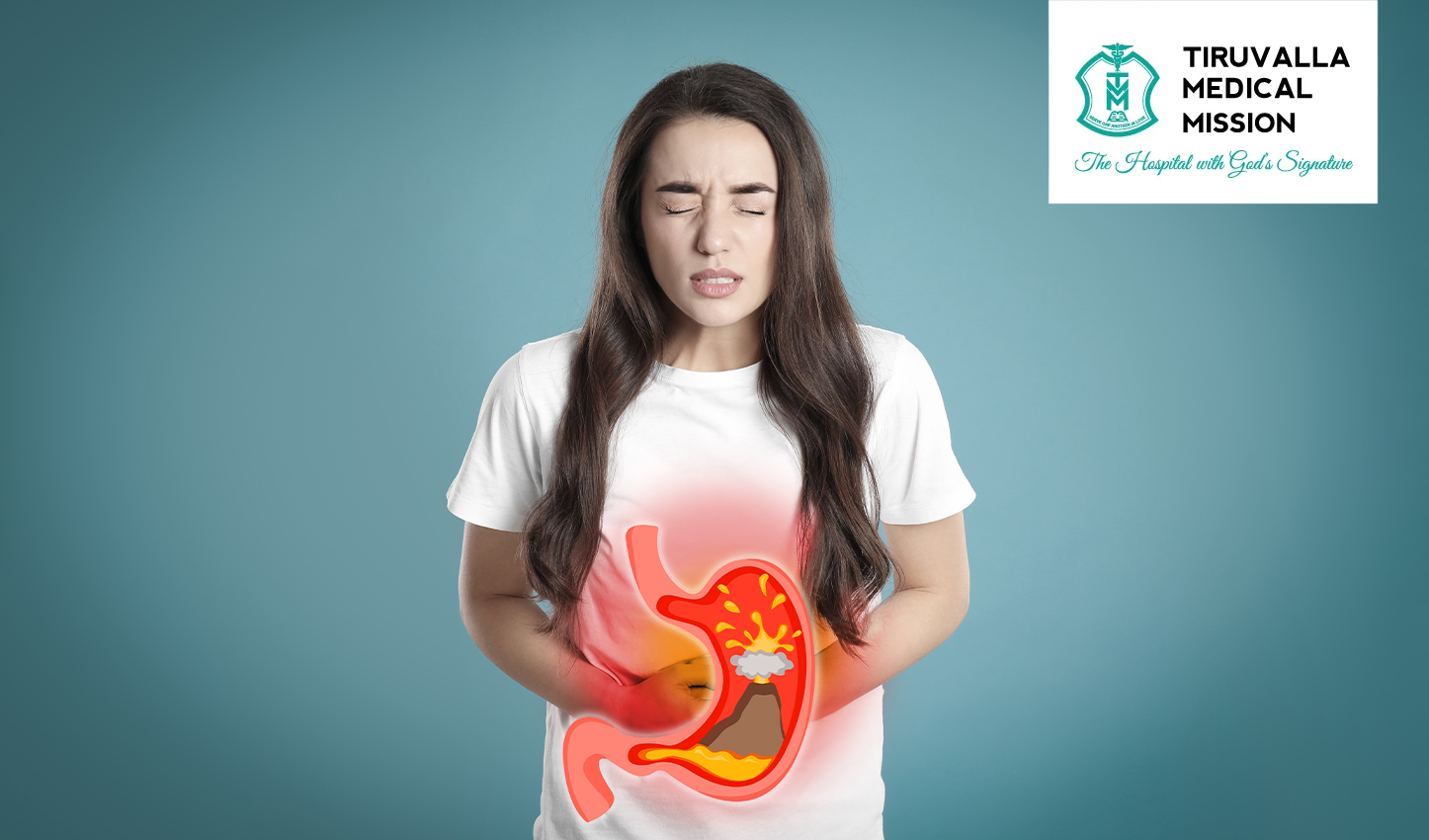
From Heartburn to Ulcers: Early Clues Your Stomach Gives You
Most people ignore stomach discomfort, brushing it off as something caused by a hurried meal, stress, or irregular eating habits. But the stomach has a way of sending out early signals when something is not right. These signals often begin small, such as slight heartburn, a burning sensation after meals, or mild bloating. When left unchecked, they can gradually build into more serious issues like gastritis, ulcers, or chronic digestive disorders.
Understanding these early clues can help prevent long-term damage and protect the digestive system. Today, gastroenterology specialists emphasize not only treatment but also early recognition and timely action. Tiruvalla Medical Mission (TMM) has strengthened its gastroenterology services over the years, offering patients access to advanced diagnostics, endoscopy facilities, and specialists who understand the subtle nature of digestive illnesses.
Heartburn: The First Alarm Many Ignore
Heartburn is one of the most common digestive complaints, yet it is also one of the most underestimated. It can happen after a spicy meal, lying down immediately after eating, or even due to stress. But when heartburn becomes frequent, occurring several times a week, it could indicate a deeper issue, such as acid reflux or GERD.
Persistent heartburn may lead to:
- Burning sensation rising from the stomach to the chest
- Sour taste in the mouth
- Difficulty swallowing
- Chronic cough or throat irritation
These symptoms signal that the stomach and esophagus are under constant strain. Consulting the best gastroenterologist in Thiruvalla at the right time can help prevent long-term esophageal damage.
Bloating and Gas: More Than Just “Something You Ate”
Bloating is common, but when it becomes a daily companion, it shouldn’t be dismissed. Continuous bloating or excess gas often reflects issues in digestion, gut bacteria balance, or food intolerances.
Common causes include:
- Gastritis
- IBS
- Acid reflux
- Lactose or gluten intolerance
- Slow digestion
- SIBO (Small Intestinal Bacterial Overgrowth)
Persistent bloating may be one of the earliest signs of ulcers forming or inflammation beginning in the stomach lining.
Pain or Burning in the Upper Abdomen
This is one of the most important early signs of stomach trouble. Many people describe it as:
- A burning sensation just below the chest
- A dull ache that worsens after meals
- Pain that improves when eating and returns after a few hours
- Night-time pain
These patterns can indicate the beginning of gastritis or even peptic ulcers.
Understanding Ulcers
Ulcers form when the protective lining of the stomach or upper intestine is damaged. This exposes sensitive tissues to acid, causing pain and irritation.
Ulcers are commonly caused by:
- H. pylori infection
- Excess painkiller use (NSAIDs)
- Smoking
- High levels of stress
- Chronic acidity
The sooner ulcers are detected, the easier they are to treat. Untreated ulcers can lead to bleeding, severe pain, and complications requiring urgent care.
Nausea, Vomiting, and Loss of Appetite
Your stomach often sends distress signals through appetite changes. If meals suddenly feel unappealing or you frequently feel nauseous, it could point to underlying inflammation in the stomach.
Conditions linked to these symptoms include:
- Gastritis
- Early ulcer formation
- Acid reflux
- Gallbladder issues
- Food-related infections
When symptoms persist, a doctor’s consultation is the only choice left.
Unintentional Weight Loss
Weight loss without trying is often a sign that the stomach is struggling to digest food properly. Chronic acidity, untreated H. pylori infection, and ulcers can all interfere with nutrient absorption and appetite.
Why Early Evaluation Matters
Stomach problems rarely appear suddenly; they build up quietly over months or years. Early evaluation helps:
- Prevent ulcers from worsening
- Detect H. pylori infection before complications develop
- Reduce acid-related damage to the esophagus
- Identify food intolerances early
- Avoid long-term digestive disorders
- Improve overall gut health
When You Should See a Gastroenterologist
Some symptoms should never be ignored, including:
- Frequent heartburn
- Pain that wakes you up at night
- Vomiting repeatedly
- Black or blood-streaked stools
- Difficulty swallowing
- Sudden weight loss
- Bloating
Diagnostic tests such as endoscopy, ultrasound, stool analysis, blood tests, and H. pylori evaluation are used to get a clear picture of stomach health. At TMM, the gastroenterology team focuses strongly on early detection. Modern endoscopy suites, imaging facilities, and experienced specialists help patients receive timely evaluation
Listening to Your Stomach: A Habit Worth Keeping
Your stomach is constantly sending feedback, and most of the time, those early signals are gentle reminders. Paying attention to them can prevent serious problems in the long run. Lifestyle choices like regular meals, good hydration, stress management, and mindful eating also play a significant role in maintaining stomach health.
Choose the Right Care for Long-Term Digestive Health
Digestive symptoms should never be ignored or normalized. Early awareness and timely medical consultation are the keys to preventing serious stomach conditions. If you are experiencing ongoing digestive discomfort, consulting the best gastroenterologist in Thiruvalla can make a significant difference in your long-term health. With expert evaluation, advanced diagnostics, and personalized care at Tiruvalla Medical Mission, patients can protect their digestive system and regain comfort, confidence, and overall well-being.
FAQs
1. Can frequent acidity lead to ulcers?
Yes. Persistent acid reflux or untreated gastritis can gradually damage the stomach lining, increasing the risk of ulcers.
2. Can stress really affect stomach health?
Absolutely. Stress increases stomach acid levels and slows digestion, worsening acidity and gastritis.
3. Does every case of heartburn need testing?
Not always. But frequent heartburn—more than twice a week—should be evaluated to rule out GERD or ulcers.
4. What tests help diagnose stomach issues?
Endoscopy, H. pylori tests, abdominal ultrasound, and blood tests are commonly used.
5. Is stomach bloating always related to food?
No. Bloating can also be caused by acid imbalance, infections, or digestive disorders like IBS and gastritis.