

Understanding Dialysis: What Patients Should Know About Kidney Care
Kidneys are among the hardest-working organs in the human body. They filter blood, remove waste, balance fluids, and keep blood pressure under control. Yet, kidney disease often progresses quietly, with symptoms appearing only when the damage becomes significant. For thousands of patients, dialysis becomes a vital treatment that helps the body continue to function when the kidneys can no longer do their job effectively.
In recent years, awareness around chronic kidney disease has grown, but many still misunderstand how dialysis works, when it is needed, and what life looks like during treatment. A clear, compassionate understanding is essential, not just for patients, but also for families and caregivers who support them every day.
As one of the trusted Dialysis centres in Kerala, Tiruvalla Medical Mission (TMM) has built a long-standing reputation for ethical, patient-centred care. With highly experienced renal specialists and well-equipped dialysis units, TMM ensures dependable, compassionate treatment for patients who need ongoing kidney care. The hospital continues to play a vital role in making nephrology services accessible, safe, and reassuring for the community.
Why Dialysis Becomes Necessary
Dialysis is recommended when the kidneys lose their ability to filter blood effectively. This happens in conditions such as:
- Chronic kidney disease.
- Diabetes-related kidney damage.
- Hypertension-induced kidney failure.
- Polycystic kidney disease.
- Severe infections or autoimmune disorders.
- Sudden kidney injury due to illness or medication reactions.
When excess fluid, toxins, and wastes accumulate in the body, they affect every major organ system. Dialysis steps in to perform the kidney’s essential functions, helping stabilize the body until a transplant becomes possible or when long-term dialysis is required.
Types of Dialysis Patients May Receive
Dialysis is not the same for everyone. The choice depends on the patient’s health, lifestyle, medical history, and the doctor’s assessment.
1. Hemodialysis
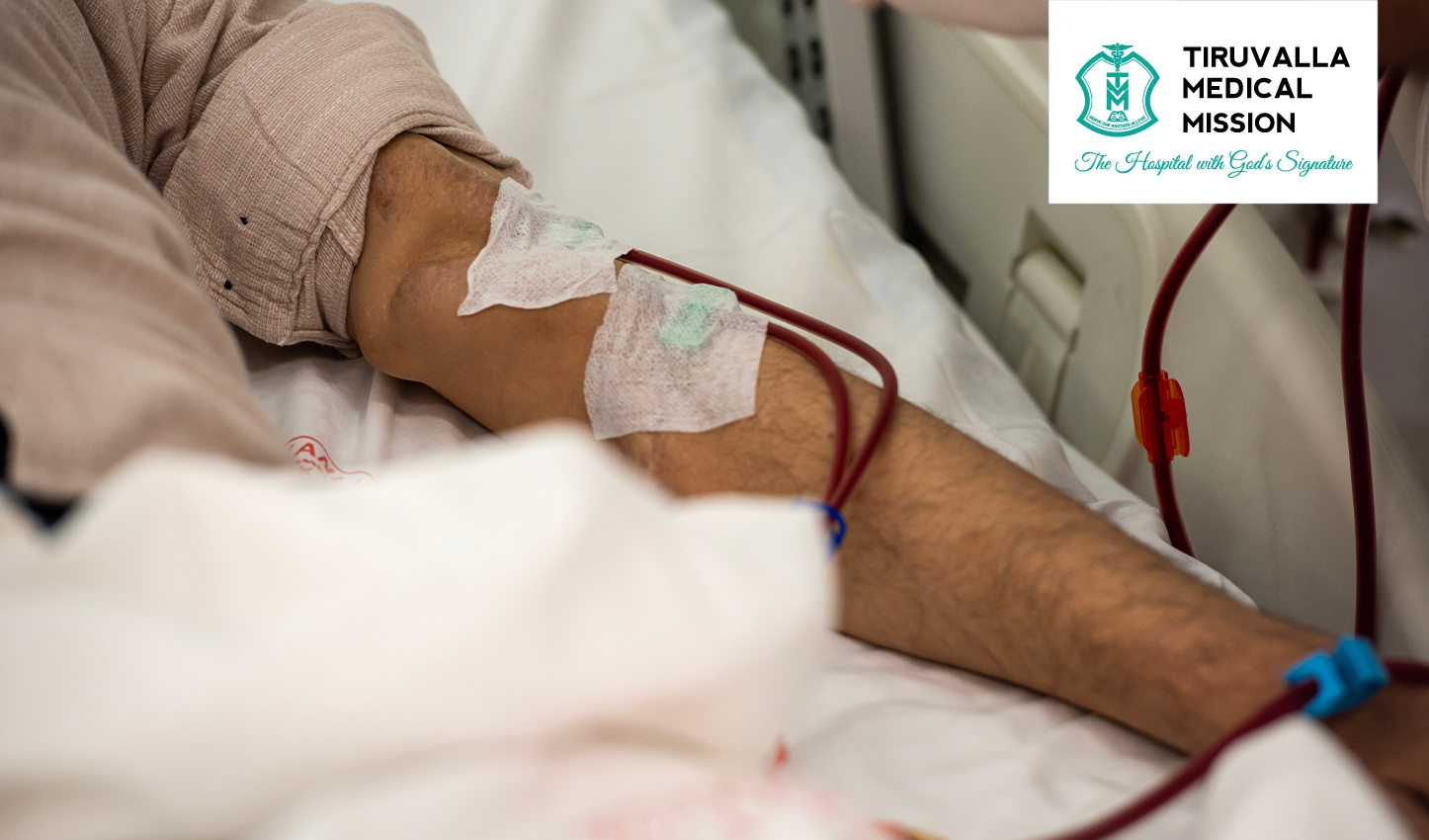
It is a treatment that uses a machine and a special filter to clean your blood. Patients usually undergo treatment several times a week at a hospital or dialysis center.
TMM’s nephrology department supports patients with monitored hemodialysis services, guided by a team of nephrologists, dialysis technicians, and critical-care support available round the clock.
2. Peritoneal Dialysis
This is a home-based option where a cleansing fluid is introduced into the abdomen to remove waste from the blood. It offers more flexibility and is suitable for selected patients.
Nephrologists evaluate whether a patient is a good candidate and provide training and support for safe home management.
How Dialysis Helps the Body
Dialysis supports the body by:
- Removing harmful toxins.
- Balancing salt and water levels.
- Preventing swelling and fluid overload.
- Correcting electrolyte imbalances.
- Helping control blood pressure.
- Reducing symptoms like nausea, fatigue, and breathlessness.
While dialysis does not cure kidney disease, it significantly improves the quality of life and helps patients stay active and stable.
Signs That Kidney Function May Be Declining
Many people discover kidney disease only in its later stages. Knowing the early signs can help start treatment sooner:
- Persistent swelling in the legs, face, or abdomen.
- Extreme tiredness.
- Reduced urine output.
- Shortness of breath.
- Loss of appetite or nausea.
- Foamy urine.
- Uncontrolled blood pressure.
- Difficulty concentrating.
Regular screenings become essential for people with diabetes, hypertension, or a family history of kidney problems.
TMM’s nephrology department offers comprehensive diagnostics, such as advanced laboratory tests, imaging, and kidney biopsies, helping patients receive accurate evaluation and timely treatment.
What Patients Can Expect During Dialysis
The first few dialysis sessions often bring anxiety. But with the right guidance and a supportive clinical environment, patients adapt quickly. Treatments usually include:
- Pre-dialysis assessment by nurses/technicians.
- Connection to the dialysis machine.
- Continuous monitoring of blood pressure and vitals.
- Post-dialysis care, including hydration checks and symptom review.
Many patients read, rest, or listen to music during sessions. At hospitals like TMM, the presence of multi-speciality backup like cardiology, diabetology, emergency care, and nutrition services adds an extra layer of safety and comfort.
Living Well While on Dialysis
Dialysis requires lifestyle adjustments, but it does not limit life. With proper guidance, patients can continue routines, hobbies, and social activities.
Renal specialists often recommend:
- Following a kidney-friendly diet.
- Restricting excess salt, potassium, and phosphorus.
- Maintaining hydration as advised.
- Managing diabetes and blood pressure carefully.
- Staying physically active within limits.
- Attending all scheduled sessions without interruption.
The Role of a Strong Nephrology Team
Dialysis is an ongoing partnership between the patient and their healthcare team. At TMM, nephrology specialists, dialysis nurses, technicians, and counsellors work together to ensure continuity of care. With a history of over nine decades and a campus designed to support complex medical needs, the hospital provides a dependable setting for long-term renal care. The focus remains on dignity, safety, and compassionate support; values that have shaped TMM since its earliest years.
Need Expert Kidney Care?
If you or a loved one is seeking reliable dialysis or nephrology support, TMM Hospital is here to help. With experienced specialists, advanced facilities, and a patient-centered approach, we ensure safe and continuous renal care.
Book an appointment or connect with our nephrology team today for trusted guidance and personalized treatment.
FAQs
1. Does dialysis mean my kidneys have completely failed?
Not always. Some patients require temporary dialysis due to acute kidney injury. Others need long-term treatment for chronic kidney failure.
2. How long will I need dialysis?
It varies. Some continue dialysis permanently, while others transition to a kidney transplant if medically suitable.
3. Is dialysis painful?
The procedure itself is not painful. Some patients may experience mild discomfort during needle insertion for hemodialysis.
4. Can I travel while on dialysis?
Yes. With planning, patients can arrange dialysis sessions at approved centres. Peritoneal dialysis offers even more flexibility.
5. What diet should I follow during dialysis?
A renal diet typically restricts sodium, potassium, phosphorus, and excess fluids. Your nephrologist or dietitian will customise a plan for you.