

When Seconds Count: The Role of the ICU in Stroke, Heart Attack, and Trauma
When a loved one suddenly collapses, suffers a heart attack, or is rushed to the hospital after an accident, everything else fades. In that moment, all we want is for them to live and for the right care to be just a step away. That’s where the Intensive Care Unit (ICU) becomes not just a place, but a lifeline.
Why Every Second Matters
A stroke can deprive the brain of oxygen. A heart attack can stop the body’s functioning. Severe trauma can cause rapid internal damage. These are not conditions that allow for delay. The first few golden minutes and the first few hours are when specialized critical care becomes a matter of survival. This is where the ICU steps in, equipped not just with machines and monitors, but with trained professionals who know exactly what to do and when to do it.
What Makes an ICU Different?
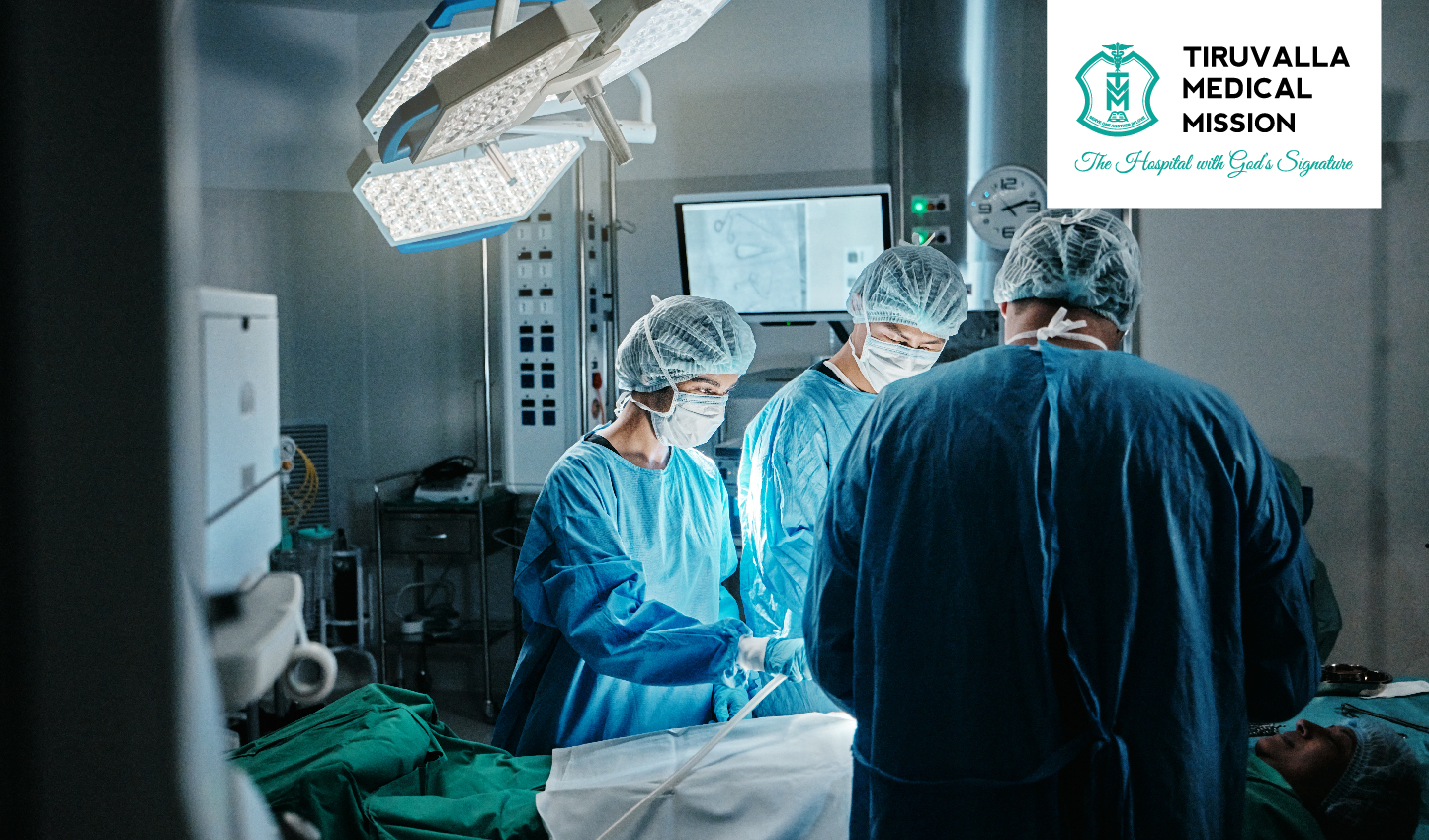
An ICU is not just a regular hospital ward with more machines. It is a highly specialized environment designed for patients whose lives are hanging in the balance. Here, time-sensitive decisions are made round-the-clock. Each bed is supported by a team of critical care doctors, intensivists, nurses, and support staff, all trained to respond swiftly to sudden changes in a patient’s condition.
Advanced monitoring systems, ventilator support, and life-saving medications are only part of the equation. The real strength of an ICU lies in the human expertise working behind the scenes.
The ICU’s Role in Stroke Care
In the case of a stroke, every moment is important after symptoms appear. Rapid assessment and imaging, administration of clot-busting drugs (for ischemic strokes), or surgical intervention (for hemorrhagic strokes) are crucial, but what follows is just as important. The ICU provides continuous monitoring for changes in neurological status, oxygen levels, and vital signs, while managing complications like brain swelling or blood pressure fluctuations.
TMM’s comprehensive stroke management protocols are supported by a collaborative team of neurologists, intensivists, and rehab specialists, ensuring continuity of care from emergency to recovery.
Managing Heart Attacks in the ICU
Acute Myocardial Infarction (AMI), or heart attack, is another condition where early intervention can save heart muscle and lives. After initial stabilization, patients are often transferred to the ICU for close cardiac monitoring, management of arrhythmias, oxygen therapy, and sometimes, mechanical support like intra-aortic balloon pumps or ventilators.
At Tiruvalla Medical Mission, the Cardiology department works closely with ICU teams to ensure that high-risk patients receive seamless care from the cath lab to the critical care unit, and eventually to recovery.
Trauma and the ICU: A Life-Saving Bridge
For patients with traumatic injuries, whether due to road accidents, falls, or blunt force injuries, the ICU becomes a bridge between emergency stabilization and definitive surgical or medical treatment.
Multi-organ trauma, head injuries, and internal bleeding often demand immediate intervention, followed by careful observation and support. ICU staff are trained to manage complex cases that may involve the lungs, brain, heart, and other systems all at once. Multidisciplinary coordination is important in this regard, involving surgeons, anesthetists, orthopedicians, and intensivists, something TMM’s structured systems are well-equipped to handle.
Why Expert-Led ICU Care Matters
One of the most critical aspects of ICU care is decision-making under pressure. When vital signs drop or complications arise, experienced hands and clear protocols make the difference. At TMM, the ICU is staffed with board-certified specialists, including intensivists and critical care nurses, who are trained to act with precision, speed, and empathy. The unit is backed by state-of-the-art equipment and diagnostic support, including advanced imaging, in-house labs, and a 24×7 pharmacy, all within TMM’s modern 87,000 sq. ft. facility.
Continuity of Care and Recovery
The role of the ICU doesn’t end if a patient leaves it. At TMM, the best multispeciality hospital in Thiruvalla, each case is followed through with personalized rehabilitation, psychological support, and regular follow-ups, particularly for stroke or cardiac patients. This integrated approach ensures not just survival but also a high quality of life after discharge.
Conclusion
The ICU is such a place where one’s prayers, hopes, and fears meet. In that space, there will be a team of experts who work relentlessly to restore life, function, and dignity. For those critical moments when every second counts, having access to such care makes all the difference.